





Bed bugs are persistent and bothersome pests that can invade our homes, causing discomfort and sleepless nights. As homeowners search for effective remedies, natural alternatives have gained popularity. One such remedy is clove oil, a fragrant essential oil known for its potential insecticidal properties. In this article, we will explore the question, “Can you use clove oil on bed bugs?” and delve into the effectiveness and safety considerations of this natural solution.
Understanding Bed Bugs
Before exploring the potential of clove oil as a bed bug remedy, it is crucial to understand these persistent pests. Bed bugs are small, parasitic insects that feed on the blood of humans and animals. They are nocturnal and often hide in cracks and crevices near sleeping areas. Bed bug bites can cause itching, redness, and even allergic reactions in some individuals. Effective treatment and prevention are essential to eradicate these unwelcome intruders. Discover does clove oil kill bed bugs?
Clove Oil: An Overview
Clove oil is derived from the buds and leaves of the clove plant (Syzygium aromaticum). It possesses a strong, warm, and aromatic scent, making it a popular ingredient in various culinary and medicinal applications. The oil contains active compounds, such as eugenol, which is believed to have insecticidal properties. While clove oil is primarily associated with its analgesic and antiseptic qualities, some evidence suggests its efficacy against certain insects.
Scientific Studies on Clove Oil and Bed Bugs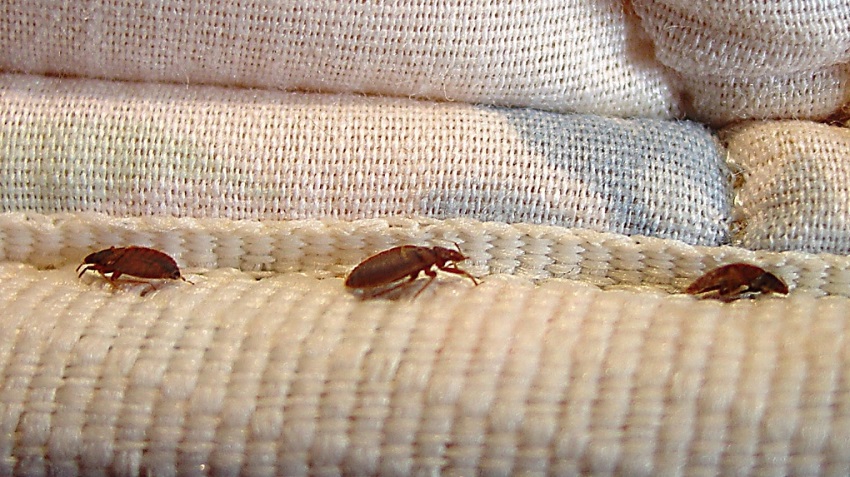
Scientific research on the effectiveness of clove oil against bed bugs is limited. However, preliminary studies have shown promising results. In a study published in the Journal of Economic Entomology, researchers tested the impact of various essential oils on bed bugs and found that clove oil was one of the most effective. The study suggested that the oil’s high concentration of eugenol acted as a natural insecticide, leading to bed bug mortality.
How to Use Clove Oil for Bed Bugs
If you decide to use clove oil as a potential remedy for bed bugs, it is essential to understand proper usage. Here’s a step-by-step guide:
Step 1: Dilute the Oil
Clove oil is highly concentrated and can cause skin irritation if used undiluted. To create a safe and effective solution, dilute clove oil by mixing a few drops with a carrier oil, such as coconut oil or almond oil.
Step 2: Apply the Mixture
Using a spray bottle, apply the diluted clove oil solution to areas where bed bugs are suspected, including mattress seams, cracks, and furniture joints. Ensure thorough coverage but avoid soaking the surfaces excessively.
Step 3: Repeat the Process
For optimal results, repeat the application every few days. Bed bugs are resilient creatures, and consistent treatment is necessary to eradicate them completely. Regular inspections and repeat applications will help ensure a higher chance of success.
Safety Precautions
While clove oil may offer a natural alternative to chemical pesticides, it is essential to consider safety precautions. Here are some key points to keep in mind:
- Always dilute clove oil before use to prevent skin irritation or allergic reactions.
- Test the diluted solution on a small, inconspicuous area before applying it to larger surfaces to check for any adverse reactions.
- Use clove oil in well-ventilated areas to prevent inhalation of concentrated fumes.
- Keep clove oil out of reach of children and pets, as it can be toxic if ingested in large quantities.
- If you have respiratory issues, consult a healthcare professional before using any essential oils.
Other Natural Remedies for Bed Bugs
While clove oil shows potential as a natural remedy for bed bugs, there are other options to consider. Some popular natural alternatives include:
- Diatomaceous earth: A fine powder that damages the outer protective layer of bed bugs, leading to dehydration and eventual death.
- Tea tree oil: Known for its antifungal and antimicrobial properties, tea tree oil may have some insecticidal effects on bed bugs.
- Lavender oil: The soothing scent of lavender oil may repel bed bugs, although its direct impact on their mortality is yet to be fully understood.
In conclusion, clove oil possesses insecticidal properties that may make it an effective natural remedy for combating bed bugs. While scientific studies on its efficacy are limited, preliminary research suggests its potential as a bed bug treatment. When using clove oil, dilution and proper application are crucial to ensure safety and maximize its effectiveness. However, it is important to note that professional extermination methods may still be the most reliable solution for severe bed bug infestations.
Frequently Asked Questions (FAQs)
Q1: Can clove oil completely eliminate a bed bug infestation?
A1: While clove oil shows promise as a natural bed bug remedy, its complete effectiveness in eliminating an infestation is yet to be scientifically proven. For severe infestations, professional extermination methods are generally recommended.
Q2: Are there any side effects of using clove oil for bed bugs?
A2: Diluted clove oil is generally safe to use, but it can cause skin irritation or allergic reactions in some individuals. It is advisable to perform a patch test before applying it extensively and seek medical advice if any adverse reactions occur.
Q3: Can I use undiluted clove oil to treat bed bugs?
A3: No, undiluted clove oil can be harsh on the skin and may cause irritation. It is important to dilute it with a carrier oil before use.
Q4: How long does it take for clove oil to work against bed bugs?
A4: The effectiveness of clove oil may vary, and it may take multiple applications over several weeks to notice significant results. Consistency is key when using natural remedies.
Q5: Where can I purchase clove oil for bed bug treatment?
A5: Clove oil is available in health stores, online retailers, and some supermarkets. Ensure you purchase a high-quality, pure clove oil from a reputable source.