




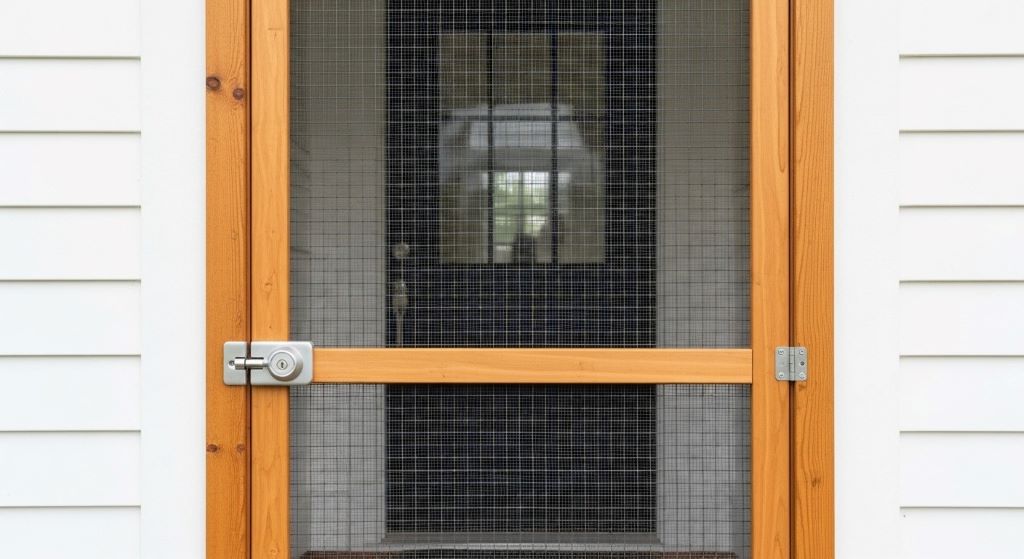
Wood screen doors offer homeowners an elegant solution for fresh air without compromising safety. These traditional fixtures combine natural beauty with practical functionality. However, achieving the right balance between airflow and protection requires careful planning and proper installation.
Understanding how wood screen doors work helps homeowners make informed decisions. This guide explores design features, security enhancements, and maintenance practices that maximize both ventilation and protection.
Understanding Wood Screen Door Basics
Wood screen doors consist of a wooden frame surrounding mesh screening material. The frame provides structural support while the screen allows air to pass through. Traditional designs feature simple rectangular frames with cross braces for stability.
Modern wood screen doors incorporate various wood types including pine, cedar, and mahogany. Each species offers different durability and weather resistance properties. Additionally, frame thickness and joinery methods affect overall strength and longevity.
Screen material varies from fiberglass to metal mesh. Fiberglass screens provide excellent visibility and airflow. Meanwhile, metal screening offers superior strength and pet resistance. Therefore, material selection impacts both ventilation efficiency and security levels.
Ventilation Benefits of Wood Screen Doors
Screen doors dramatically improve indoor air quality by facilitating cross-ventilation. Opening your main door while keeping the screen door closed allows fresh air circulation. This natural cooling method reduces air conditioning costs during mild weather.
Strategic placement maximizes airflow through your home. Aligning screen doors with opposite windows creates effective air currents. Moreover, this positioning removes stale air and cooking odors naturally without mechanical ventilation systems.
Screen doors filter large debris and insects while permitting airflow. The mesh prevents leaves, bugs, and small animals from entering your home. However, air molecules pass freely through the screening material, maintaining consistent ventilation rates.
According to the U.S. Department of Energy, proper ventilation through screen doors can reduce cooling costs by up to 30 percent compared to using air conditioning alone.
Security Challenges with Traditional Screen Doors
Standard wood screen doors present several security vulnerabilities. Thin screening material cuts easily with basic tools. Additionally, lightweight frames kick open with moderate force, providing minimal barrier against intruders.
Traditional hook-and-eye latches offer virtually no security against determined entry attempts. These simple fasteners prevent accidental openings but fail under deliberate force. Therefore, relying solely on basic hardware leaves homes inadequately protected.
Visibility through screen doors alerts potential intruders to interior layouts and valuables. Clear sightlines reveal when homes are unoccupied. Furthermore, damaged or poorly maintained screens signal neglect, potentially attracting unwanted attention.
Enhancing Security Without Sacrificing Airflow
Reinforced frame construction provides the foundation for secure screen doors. Hardwood frames with mortise-and-tenon joints resist forced entry better than simple butt joints. Additionally, frames measuring at least 1.5 inches thick offer substantial resistance.
Installing a quality deadbolt specifically designed for screen doors significantly improves security. These locks engage the door frame rather than relying on surface-mounted latches. Moreover, deadbolts require keys for entry, preventing unauthorized access through unlocked screens.
Security hinges with non-removable pins prevent door removal from the outside. Standard hinges allow pin removal when doors swing outward. However, security hinges feature set screws or crimped pins that remain secure regardless of door orientation.
Adding a metal grille over the screen mesh creates a secondary barrier. Decorative iron or steel grilles complement wood frames while providing physical protection. These grilles allow full airflow while preventing cutting or tearing of the screen material.
Choosing Security Screen Materials
Stainless steel security screen offers maximum protection with minimal airflow restriction. This woven metal mesh resists cutting, tearing, and impact damage. Additionally, stainless steel maintains visibility while creating a formidable barrier against intrusion attempts.
Bronze screening provides moderate security enhancement over fiberglass alternatives. The metal construction withstands pet damage and casual tampering. However, bronze remains vulnerable to determined cutting with proper tools.
Heavy-duty fiberglass screening reinforced with vinyl coating improves durability. This material resists tears better than standard fiberglass while maintaining excellent visibility. Nevertheless, fiberglass offers limited security against intentional breaching attempts.
Pet-resistant screening uses thicker strands woven more tightly than standard materials. These screens prevent damage from scratching and chewing while maintaining airflow. Therefore, homes with pets benefit from this compromise between durability and ventilation.

Optimal Frame Design for Security and Airflow
Full-view designs maximize screening area for superior ventilation. These frames feature minimal wood components with large screen panels. Consequently, air passes through more freely while maintaining structural integrity through strategic placement of support members.
Victorian-style frames incorporate decorative wooden elements that enhance security. The additional wood components create more attachment points for hardware. Moreover, these ornamental features disguise reinforcement elements while maintaining period-appropriate aesthetics.
Half-screen designs position solid wood panels below screen sections. Lower solid panels prevent easy kicking while upper screens provide ventilation. Additionally, this configuration offers privacy for ground-floor installations while preserving airflow.
Installation Techniques That Improve Both Functions
Proper door hanging ensures smooth operation and effective sealing. Plumb installation prevents gaps that reduce both security and insect protection. Additionally, correctly aligned doors close fully without binding or leaving openings.
Installing doors to swing outward improves security by preventing inward kicking. Outward-swinging doors also maximize interior space near entrances. However, this configuration requires special attention to hinge security using non-removable pins.
Adding weatherstripping around door frames enhances both security and climate control. Quality weatherstripping eliminates gaps where insects enter while improving energy efficiency. Moreover, proper sealing prevents dust and debris infiltration during windy conditions.
According to This Old House, proper installation with quality hardware significantly extends screen door lifespan while maintaining optimal performance.
Hardware Selection for Maximum Protection
Commercial-grade closers control door speed and ensure consistent latching. These pneumatic or spring-loaded mechanisms prevent doors from standing open accidentally. Therefore, closers maintain security by ensuring doors close and latch after each use.
Surface-mounted security bars provide additional reinforcement for vulnerable screen doors. These metal bars attach horizontally across door backs, distributing force across the entire frame. Additionally, security bars install easily without modifying door structure.
Multi-point locking systems engage the frame at multiple locations simultaneously. These advanced locks secure doors at top, middle, and bottom points. Consequently, multi-point locks resist prying and forced entry far better than single-point alternatives.
Keyed entry handles replace basic latches with actual locking mechanisms. These handles operate like interior door locks while designed for exterior screen door applications. Moreover, matching keys to existing home locks simplifies key management.
Balancing Privacy with Ventilation Needs
Decorative screening materials reduce visibility while maintaining airflow. Patterned or textured screens obscure interior views without blocking air movement. Additionally, these specialty screens add visual interest to plain door designs.
Adjustable louvers integrated into wood frames control both visibility and ventilation. Rotating slats open for maximum airflow or close for privacy and weather protection. However, louvered sections require regular maintenance to operate smoothly.
Curtains or blinds mounted behind screen doors provide flexible privacy control. Lightweight fabrics allow continued airflow while blocking sightlines into homes. Therefore, homeowners adjust privacy levels throughout the day based on specific needs.
Maintenance Practices Supporting Both Functions
Regular cleaning prevents screen clogging that reduces airflow efficiency. Vacuuming removes accumulated dust and debris from mesh surfaces. Additionally, periodic washing with mild soap maintains screening material integrity and appearance.
Inspecting frames for wood rot or damage preserves structural security. Deteriorated wood compromises door strength and hardware attachment points. Moreover, prompt repairs prevent minor issues from becoming major security vulnerabilities.
Lubricating hinges and locks ensures smooth operation and consistent latching. Sticky hardware may prevent proper closing, leaving homes vulnerable. Therefore, annual lubrication maintains both convenience and security functions.
Replacing damaged screening immediately maintains insect protection and security. Torn screens allow pest entry and signal poor maintenance to potential intruders. Furthermore, prompt repairs cost less than full screen replacement.
Seasonal Adjustments for Optimal Performance
Winter months require removing or protecting wood screen doors in harsh climates. Freezing temperatures and moisture damage wooden frames and hardware. Additionally, storing screens indoors prevents warping and extends useful life.
Spring installation timing allows homeowners to inspect and repair screens before heavy use. Pre-season maintenance addresses winter damage and ensures proper operation. Moreover, early installation maximizes ventilation benefits during mild spring weather.
Summer represents peak screen door usage for natural cooling and outdoor access. Ensuring all security features function properly becomes essential during vacation periods. Therefore, pre-vacation inspections verify locks, closers, and frame integrity.
Fall cleaning removes summer debris and prepares doors for storage or winter use. Thorough washing and minor repairs prevent off-season deterioration. Additionally, applying wood preservative protects frames during storage or winter weather exposure.
Modern Alternatives to Traditional Wood Screen Doors
Composite materials replicate wood appearance while offering superior weather resistance. These engineered products resist rot, warping, and insect damage better than natural wood. However, composite doors may cost more initially than basic wooden alternatives.
Aluminum-framed security screen doors provide maximum protection with minimal maintenance. Metal construction eliminates wood rot concerns while supporting heavy-duty security features. Nevertheless, aluminum lacks the traditional aesthetic appeal of natural wood.
Retractable screen systems disappear when not needed while providing standard screen door functions. These mechanisms mount beside doorways and extend across openings when desired. Therefore, retractable screens offer ventilation without permanent installation or visual impact.
Conclusion
Wood screen doors successfully balance ventilation and security through thoughtful design and proper installation. Selecting quality materials, installing robust hardware, and maintaining regular upkeep ensures both functions operate effectively. Reinforced frames, security screening, and advanced locking systems protect homes while allowing fresh air circulation. Therefore, homeowners who invest in quality wood screen doors with appropriate security enhancements enjoy comfortable, well-ventilated, and protected living spaces throughout favorable weather seasons.
Frequently Asked Questions
Can wood screen doors really provide adequate home security?
Wood screen doors with proper reinforcement, security hardware, and metal screening provide reasonable security for occupied homes. However, they should complement main door locks rather than serve as primary security barriers. Quality installations with deadbolts and security grilles offer substantial protection.
What type of screening material offers the best balance between airflow and security?
Stainless steel security screen provides optimal balance with excellent airflow and maximum protection against cutting or tearing. This material costs more than fiberglass but significantly outperforms standard screening in security applications while maintaining ventilation efficiency.
How often should I replace the screening on my wood screen door?
Replace screening when tears, holes, or significant sagging occurs, typically every 5-7 years for standard fiberglass and 10-15 years for metal screening. However, pet damage or harsh weather may necessitate more frequent replacement to maintain both security and insect protection.
Do screen doors actually reduce air conditioning costs?
Yes, screen doors can reduce cooling costs by 20-30 percent during mild weather by enabling natural ventilation instead of air conditioning. However, effectiveness depends on outdoor temperatures, humidity levels, and strategic window placement for cross-ventilation.
What security hardware is most important for wood screen doors?
A quality deadbolt lock represents the most important security hardware upgrade for wood screen doors. Combined with security hinges featuring non-removable pins and an automatic closer, these three components provide substantial security enhancement over basic hook-and-eye latches.
Related Topics:
DIY on a Dime: Budget-Friendly Home Improvement Ideas
The Role of a Wife: More than Homemaking