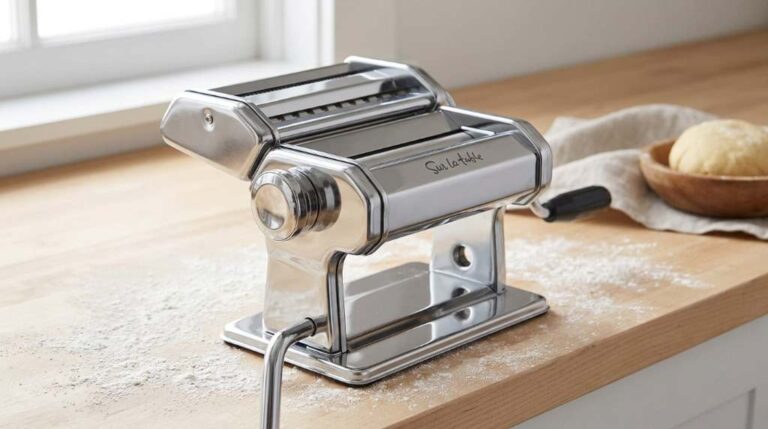




You make sweet miso infused pastry dough by blending white miso with butter, flour, sugar, and cold water. The dough needs about 15 minutes of active preparation and at least 30 minutes of chilling. White miso adds gentle umami without overpowering the pastry’s sweetness. The result tastes buttery, lightly savory, crisp, and surprisingly complex.
Start With The Right Miso And Dough Balance
Sweet pastry dough needs delicate seasoning because sugar and butter already create strong flavors. For this reason, choose white miso, which offers a mild, slightly sweet fermented character. Avoid dark miso unless you specifically want a stronger savory finish.
Before mixing, gather these ingredients:
- 2 cups all-purpose flour
- 1/2 cup unsalted cold butter
- 1/3 cup granulated sugar
- 2 tablespoons white miso
- 1 large egg yolk
- 2 to 4 tablespoons ice-cold water
- 1 teaspoon vanilla extract
- 1/4 teaspoon fine salt
These proportions create a tender dough with enough structure for cookies, tart shells, and filled pastries. Meanwhile, essential baking gadgets can make measuring and mixing considerably easier.
Use unsalted butter because miso already contributes salt to the dough. Also, keep the butter genuinely cold because warm fat can weaken the pastry structure.

Build The Sweet Miso Flavor Without Overdoing It
The key lies in treating miso as a seasoning rather than the dough’s primary flavor. Two tablespoons provide noticeable depth while allowing vanilla, butter, and sugar to remain prominent. You can reduce that amount for a subtler first attempt.
White miso works especially well because fermentation creates savory depth alongside mild sweetness. Consequently, it can make familiar pastry flavors taste fuller without requiring complicated ingredients.
For a richer flavor profile, consider these optional additions:
- 1/2 teaspoon cinnamon for gentle warmth
- 1 teaspoon orange zest for brightness
- 1 tablespoon maple syrup for deeper sweetness
- 1/2 teaspoon sesame seeds for a nutty finish
- 1/4 teaspoon ground ginger for subtle spice
Choose only one or two additions because too many flavors can obscure the miso. If you want a simpler pastry, keep vanilla as your only additional flavor.
You can also adjust the sugar according to the filling you plan to use. Sweeter fillings usually benefit from slightly less sugar in the pastry shell.
Mix The Dough With A Light Touch
Start by whisking the flour, sugar, and salt together in a large mixing bowl. Then cut the cold butter into small cubes and add those pieces to the flour mixture.
Work the butter into the flour using your fingertips or a pastry cutter. Stop when the mixture resembles coarse crumbs with several pea-sized butter pieces remaining.
Next, stir the miso and vanilla into the egg yolk until they form a smooth paste. This step distributes the miso evenly and prevents concentrated salty pockets inside the pastry.
Pour the miso mixture into the flour and butter mixture. Fold gently until the ingredients begin forming loose, irregular clumps.
Add ice water one tablespoon at a time when the dough looks excessively dry. Stop adding water as soon as the dough holds together when gently pressed.
Do not knead the dough like bread because gluten development can make pastry tough. Instead, press the mixture together with your hands using short, controlled movements.
If you enjoy experimenting with dough techniques, understanding crafting delicious dough can also improve your general baking confidence.
Know When The Dough Looks Right
Proper pastry dough should look slightly crumbly before you compress it. Once pressed, it should hold together without feeling wet or sticky.
If the dough cracks immediately, add another teaspoon of cold water. Conversely, if it feels greasy or sticky, refrigerate it before adding extra flour.
Do not chase a perfectly smooth appearance during mixing. Small butter pieces create desirable flakiness as they melt inside the oven.
Chill, Roll, And Shape The Pastry Correctly
Shape the finished dough into a flat disk instead of a thick ball. Wrap it tightly and refrigerate it for at least 30 minutes before rolling.
Chilling gives the butter time to firm and allows the flour to hydrate. As a result, the dough becomes easier to roll while retaining a more delicate texture.
When you need inspiration for fillings and finishing ideas, explore top baking recipe websites for compatible dessert combinations.
Lightly flour your work surface before rolling the dough. Roll outward from the center while turning the dough frequently to maintain an even shape.
A thickness around 1/8 inch works well for tart shells and crisp pastry cookies. Slightly thicker dough works better for hand pies and sturdier filled pastries.
Prevent Sticking And Cracking
Cold pastry can crack around the edges during rolling, especially after extended refrigeration. Let it rest at room temperature for several minutes before trying again.
Excess flour can make the finished pastry dry, so use only enough flour to prevent sticking. Instead, lift and rotate the dough regularly while rolling.
If the dough becomes soft, stop working and refrigerate it briefly. Working with chilled dough usually produces cleaner edges and better texture.
Choose A Filling That Complements Miso
Sweet miso pastry pairs naturally with ingredients that provide fruitiness, caramel notes, chocolate, or gentle acidity. The best fillings usually balance its buttery richness rather than compete with it.
Consider these combinations for different dessert styles:
- Apple and cinnamon for a familiar autumn-inspired pastry
- Pear and vanilla for an elegant, delicate tart
- Dark chocolate for a deeper and more intense dessert
- Caramel and toasted nuts for pronounced richness
- Strawberry and lemon for brighter contrast
- Peach and ginger for warm seasonal character
For fruit pastries, reduce excess liquid before filling the dough. Too much moisture can soften the pastry and create a soggy bottom.
Chocolate fillings work particularly well when you want the miso flavor to remain subtle. The fermented seasoning enhances chocolate’s roasted character without requiring a large amount.
Bake For Crisp Edges And A Tender Center
Preheat the oven fully before placing the pastry inside. A properly heated oven helps the butter create structure before the dough spreads excessively.
For tart shells, prick the base lightly with a fork before baking. You can also use parchment and pie weights when the recipe requires blind baking.
A temperature around 350°F suits many sweet miso pastry applications. However, thicker pastries may require additional baking time at the same temperature.
Look for visual cues rather than relying only on the clock. The edges should become lightly golden while the center should look set but not excessively dark.
Because miso contains natural color and sugars, the pastry may brown faster than plain shortcrust. Therefore, check the pastry several minutes before the expected finishing time.
Cool Before Adding Delicate Toppings
Move baked pastry to a cooling rack after it becomes firm enough to handle. Allow it to cool before adding cream, glaze, fruit, or chocolate decorations.
Cooling also improves texture because the butter and starches continue setting after baking. Cutting too early can make a perfectly baked pastry appear softer than expected.
Fix Common Sweet Miso Pastry Problems
Even a simple pastry can develop problems when temperature, hydration, or mixing goes off balance. Fortunately, most issues have straightforward causes and practical solutions.
| Problem | Likely Cause | Practical Fix |
|---|---|---|
| Dough feels sticky | Butter became too warm | Chill the dough before rolling |
| Dough keeps cracking | Too little moisture | Add cold water gradually |
| Pastry tastes too salty | Too much miso or added salt | Reduce miso or omit extra salt |
| Pastry spreads | Dough stayed warm | Chill shaped pastry before baking |
| Texture feels tough | Overworked dough | Mix only until the dough holds together |
| Bottom feels soggy | Wet filling or underbaking | Reduce filling moisture and bake thoroughly |
These adjustments matter because pastry depends heavily on temperature and hydration. Small corrections usually work better than completely changing the recipe.
Make The Recipe Your Own
Once you understand the basic ratio, you can tailor the dough for different desserts. Start with the original formula before making several changes simultaneously.
For a more delicate cookie, increase the sugar slightly and roll the dough thinner. For a tart shell, keep the dough less sweet so the filling remains the primary flavor.
You can also replace part of the granulated sugar with brown sugar. That substitution creates a warmer caramel note that pairs beautifully with white miso.
For extra crispness, avoid excessive water and chill the shaped dough before baking. For tenderness, handle the dough gently and avoid unnecessary flour during rolling.
Storage And Make-Ahead Tips
Unbaked dough can stay refrigerated for several days when wrapped tightly. You can also freeze the dough in a sealed container for longer storage.
Divide the dough into usable portions before freezing. That approach lets you thaw only what you need for each baking session.
Thaw frozen dough slowly in the refrigerator rather than leaving it beside a warm oven. Then let it soften slightly before rolling.
Five Smart Ways To Serve Sweet Miso Pastry
The finished dough can support much more than a traditional tart. Its subtle savory character makes it especially useful when you want familiar desserts to taste more sophisticated.
- Fill tart shells with vanilla pastry cream and fresh berries.
- Pair crisp pastry cookies with dark chocolate ganache.
- Use the dough for apple hand pies with cinnamon sugar.
- Top baked pastry with salted caramel and toasted pecans.
- Serve small pastry rounds with whipped cream and roasted fruit.
For an especially balanced dessert, combine one rich element with one bright element. For example, dark chocolate works beautifully with raspberry or citrus.
Keep toppings modest because the pastry itself already carries layered flavor. A simple finish often highlights the miso better than elaborate decoration.
Why This Pastry Works So Well
Miso contributes glutamates that create savory depth, while butter supplies richness and sugar provides sweetness. Together, these elements create more contrast than ordinary sweet pastry.
The fermentation character also gives the dough a subtle complexity. However, white miso keeps that complexity restrained enough for traditional dessert applications.
This balance explains why miso can work successfully in cookies, caramel, chocolate desserts, and fruit pastries. The ingredient does not simply make pastry salty; it makes other flavors feel more developed.
Frequently Asked Questions
Can I Use Red Miso For Sweet Pastry Dough?
Yes, but white miso usually provides a milder flavor that suits sweet pastry better.
Does Sweet Miso Pastry Taste Strongly Savory?
No, properly measured white miso creates subtle umami rather than an obviously savory taste.
Can I Make The Dough Without An Egg Yolk?
Yes, replace the yolk with a small amount of cold cream or additional ice water.
How Long Should I Chill Miso Pastry Dough?
Chill the dough for at least 30 minutes, although longer chilling can improve handling.
Can I Freeze Sweet Miso Pastry Dough?
Yes, wrap it tightly, freeze it in portions, and thaw each portion overnight in the refrigerator.
Conclusion: Give Classic Pastry A More Interesting Flavor
Sweet miso infused pastry dough succeeds because it balances familiar sweetness with restrained fermented depth. Use white miso, cold butter, minimal water, and gentle handling for consistently tender results.
Start with the basic recipe, then experiment with fruit, chocolate, caramel, citrus, or warm spices. Make your first batch today and discover how a small amount of miso can transform an ordinary pastry.