




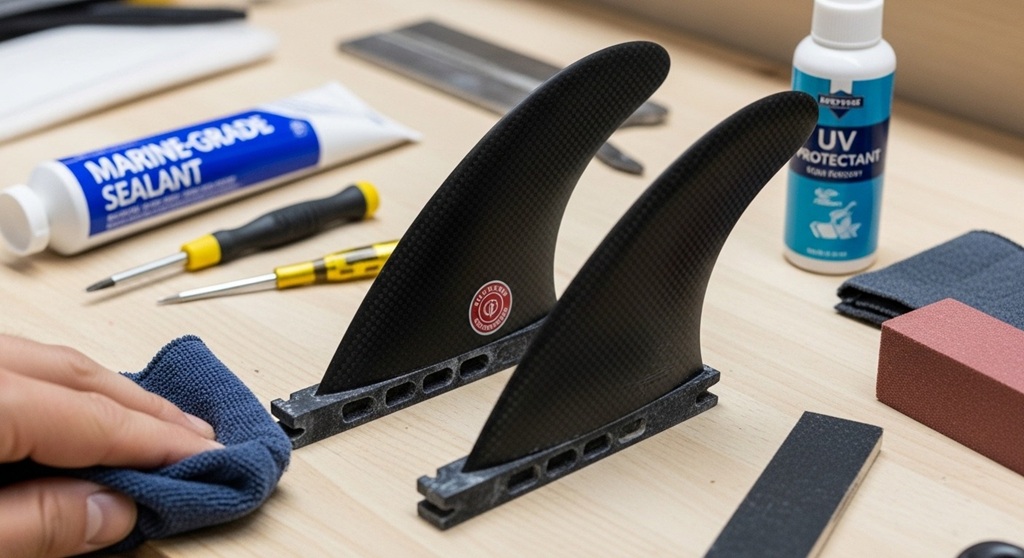
Surfboard fins play a critical role in how a board performs in the water. They control stability, speed, and turning ability. Yet many surfers overlook proper fin maintenance until performance drops or a fin breaks unexpectedly. Knowing how to maintain surfboard fins for long-term use can help protect your equipment and extend its lifespan.
Surf fin protection tips are not complicated. Most involve routine cleaning, safe storage, and simple inspections after each surf session. According to industry repair technicians and surfboard manufacturers, damage to fins and fin boxes accounts for a significant portion of board repair cases each year. In many situations, these issues occur because of poor storage, saltwater buildup, or accidental impacts during transport.
Following a structured maintenance routine can reduce the risk of damage and keep fins performing consistently. This guide explains practical surf fin protection tips used by experienced surfers and repair shops. You will learn how to clean, store, inspect, and protect surfboard fins so they remain reliable for years.
Whether you ride removable fins or glassed-in fins, proper care improves performance and saves money on repairs. Let’s break down the exact steps and habits that keep surfboard fins in top condition.
What Are the Most Effective Surf Fin Protection Tips?
Short answer: The most effective surf fin protection tips include rinsing fins after every session, inspecting for cracks or loose screws, storing boards safely, and avoiding impacts during transport.
Surfboard fins operate under constant stress. They cut through water at high speeds and absorb pressure when turning or hitting waves. Over time, even small impacts or corrosion can affect performance.
Effective maintenance focuses on preventing three common causes of damage:
- Saltwater corrosion
- Impact damage during transport
- Loose fin screws or worn fin boxes
By controlling these factors, surfers can dramatically increase the lifespan of their fins.
Professional surfboard repair shops report that many fin problems originate outside the water. Transporting boards without protection, leaving them in direct sunlight, or storing them in crowded spaces often leads to cracked fins or damaged fin boxes.
A simple routine after each session prevents most of these problems. Rinse, inspect, dry, and store the board properly.
How Do You Clean Surfboard Fins After Surfing?
Short answer: Rinse surfboard fins with fresh water immediately after surfing to remove salt, sand, and debris.
Saltwater and sand gradually wear down equipment. Even though fins are designed for ocean use, buildup can still affect performance over time.
Step-by-Step Cleaning Process
- Rinse fins thoroughly with fresh water.
- Remove sand from the fin base and fin box.
- Use a soft cloth to wipe the fins.
- Allow the board to dry before storage.
Salt crystals can form around screws and fin bases when boards dry without rinsing. Over time, this can cause screws to seize or corrode.
Many surf shops recommend a deeper cleaning every few weeks if you surf regularly. This involves removing removable fins and rinsing both the fins and fin box separately.
Cleaning helps maintain smooth water flow across the fins, which supports better control and maneuverability.
How Often Should You Inspect Surfboard Fins?
Short answer: Inspect your fins after every few surf sessions and before traveling with your board.
Surfboard fins experience pressure during turns, wipeouts, and collisions with debris or the seabed. Small cracks can appear without being immediately noticeable.
Regular inspection allows surfers to catch issues early.
Key Areas to Check
- Cracks along the fin edge
- Loose fin screws
- Damage at the fin base
- Movement inside the fin box
Even a slightly loose fin can affect board control. If the fin shifts during a turn, it may reduce stability and responsiveness.
Many experienced surfers carry a small fin key in their gear bag. This tool allows quick adjustments when needed.
What Is the Best Way to Store Surfboard Fins?
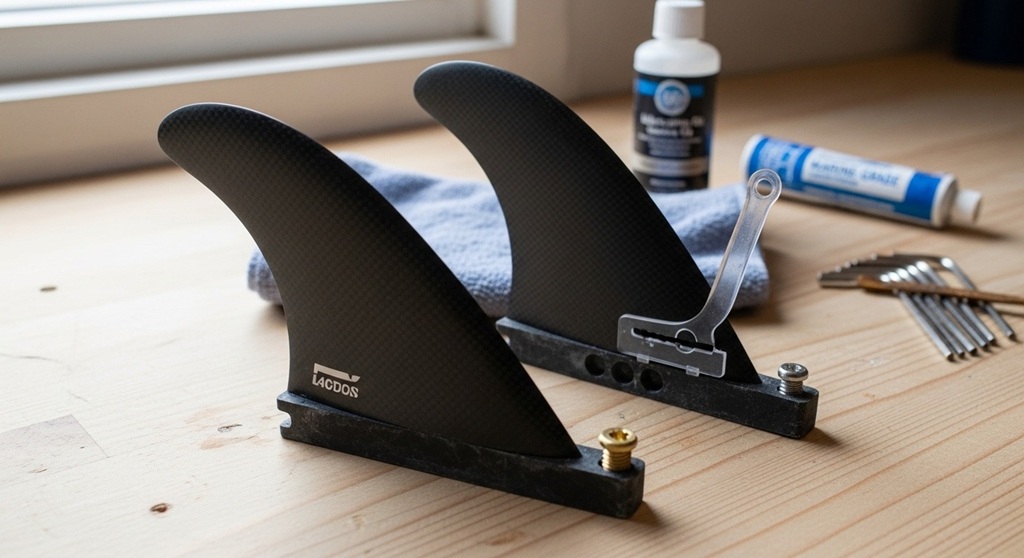
Short answer: Store surfboards upright or on padded racks and avoid placing weight directly on the fins.
Improper storage is one of the most common reasons fins break or bend. Fins can snap if the board falls or if heavy items press against them.
Recommended Storage Methods
- Use padded surfboard racks.
- Store boards vertically or horizontally with support.
- Avoid placing boards fin-down on hard surfaces.
- Keep boards away from crowded storage areas.
If your board uses removable fins, removing them during long-term storage can prevent stress on the fin box.
Some surfers also use fin protectors or soft covers when storing boards in garages or transport bags.
Why Is Proper Surfboard Transport Important for Fin Protection?
Short answer: Proper transport prevents impact damage, which is one of the leading causes of broken fins.
Transporting boards without protection often leads to cracked fins or bent fin boxes.
Surfboards commonly get damaged when:
- Loading boards into cars
- Stacking multiple boards together
- Carrying boards through crowded areas
Using padded surfboard bags significantly reduces the risk of damage. These bags cushion the fins and prevent direct pressure.
When stacking boards, place protective padding between them and ensure fins do not press into another board.
Do Removable Fins Require Different Maintenance?
Short answer: Yes. Removable fins require periodic removal and cleaning to prevent corrosion and debris buildup.
Removable fin systems such as FCS or Futures allow surfers to swap fins depending on wave conditions. However, this flexibility also means additional maintenance.
Maintenance Tips for Removable Fins
- Remove fins every few weeks.
- Clean the fin box and screws.
- Check screws for rust or wear.
- Apply light lubrication if necessary.
Removing fins periodically prevents sand and salt from locking them into place.
Many surfers only realize fins are stuck when they attempt to remove them months later. Regular maintenance avoids this problem.
What Do Surfboard Repair Case Studies Reveal About Fin Damage?
Short answer: Repair shop data shows that a large percentage of surfboard repairs involve fin box cracks or broken fins caused by impact or poor storage.
A repair shop case study published by surfboard technicians in California analyzed hundreds of repair requests over a 12-month period.
| Type of Damage | Percentage of Repairs |
|---|---|
| Fin box damage | 34% |
| Cracked fins | 21% |
| Rail damage | 27% |
| Deck pressure dents | 18% |
The study concluded that many fin-related repairs occurred during transport or storage rather than during surfing itself.
This data highlights the importance of consistent surf fin protection tips. Preventive care is significantly cheaper than repairing damaged fin boxes.
How Can You Extend the Lifespan of Surfboard Fins?
Short answer: Consistent maintenance, safe storage, and careful transport can extend fin lifespan by several years.
Experienced surfers treat their fins as performance components rather than disposable accessories.
Here are proven strategies that help extend fin life:
- Rinse fins after every session.
- Inspect fins regularly.
- Store boards in stable racks.
- Use protective surfboard bags.
- Remove removable fins during travel.
These habits take only a few minutes but significantly reduce damage risk.
When properly maintained, quality fins can last for many seasons without performance loss.
Conclusion: Protect Your Surfboard Fins and Improve Performance
Surfboard fins directly influence how your board performs in the water. Even small issues such as loose screws or minor cracks can affect control and speed. The good news is that most fin problems are preventable with simple maintenance habits.
Rinsing fins after each session, inspecting them regularly, and storing boards correctly are among the most effective surf fin protection tips. These steps protect your investment and reduce the risk of costly repairs.
Data from surfboard repair technicians shows that many fin-related issues originate from poor storage or careless transport. By taking a few minutes to protect your fins, you can extend their lifespan and maintain consistent performance.
If you want your surfboard to perform reliably in every session, start implementing these maintenance habits today. Consistent care ensures your fins stay strong, responsive, and ready for the next wave.
Take action now: Inspect your surfboard fins, clean them after your next session, and invest in proper storage or transport protection. Small habits today can save expensive repairs later.
Frequently Asked Questions
How do I protect surfboard fins from damage?
The best way to protect surfboard fins is to rinse them with fresh water after each session, inspect them regularly, and store boards properly. Using padded surfboard bags during transport also prevents impact damage.
Should I remove my fins after surfing?
Removing fins occasionally helps prevent salt buildup and corrosion, especially for removable fin systems. While it is not necessary after every session, removing them every few weeks is recommended.
Can surfboard fins wear out over time?
Yes. Surfboard fins can gradually wear down due to water pressure, sand abrasion, and impacts. Over time, small cracks or changes in shape may reduce performance.
Why do surfboard fin boxes break?
Fin boxes usually break due to strong impacts, such as hitting rocks, reefs, or hard surfaces during transport. Improper storage can also place stress on the fin base and cause cracks.
Is it safe to leave fins on during travel?
Leaving fins on during travel increases the risk of damage. Many surfers remove fins when transporting boards long distances or flying with surf equipment.
How long do surfboard fins typically last?
High-quality surfboard fins can last several years if properly maintained. Regular cleaning, inspection, and careful storage significantly extend their lifespan.
What tools do I need to maintain surfboard fins?
Basic maintenance requires only a few tools: a fin key, fresh water for rinsing, a soft cloth for drying, and occasionally lubricant for removable fin screws.
Read More Also: How to Buy Affordable Winter Surf Gear for Cold Water Surfing
Find out: How to Find Affordable Golf Club Sets Without Sacrificing Quality