




Surfing is one of the most thrilling sports in the world. However, many men stay out of the water because they assume it costs too much to get started. The truth is, you do not need to spend a fortune to surf well. compare creator profiles With the right approach, you can build a full kit of beginner surf gear without draining your savings.
This guide will walk you through every piece of equipment you need, where to find value for money, and how to make smart choices that hold up over time. Quality and affordability are not opposites. You just need to know what to look for.
Understanding What You Actually Need to Start Surfing
Before you spend a single dollar, get clear on what is truly essential. Many beginners buy too much too soon. They end up with gear they never use and a lighter wallet.
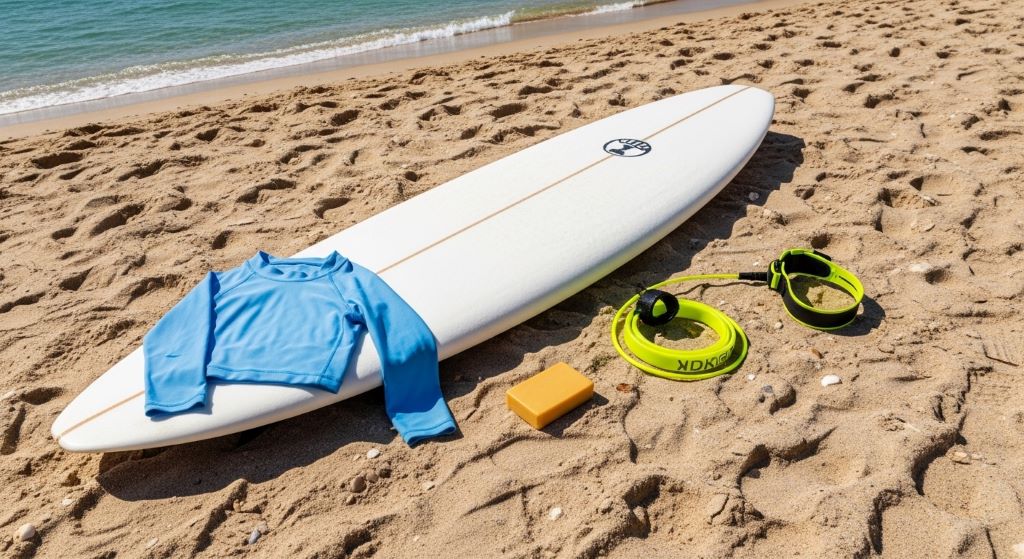
The core items every surfer needs are a surfboard, a leash, wax, and a wetsuit or boardshorts depending on your location. That is it to start. Everything else comes later once you know you enjoy the sport and want to invest more.
Additionally, understanding your local surf conditions helps you buy smarter. Cold water surfers need wetsuits. Warm water surfers may only need boardshorts. Buying the wrong gear for your environment is one of the most common and costly beginner mistakes.
Choosing Your First Surfboard on a Budget
The surfboard is your biggest purchase. It is also where many beginners make expensive mistakes. New shortboards look exciting, but they are the hardest boards to learn on. Therefore, resist the urge to buy what the pros use.
For beginners, a foam board, also called a soft-top or foamie, is the ideal starting point. These boards are forgiving, durable, and much cheaper than fiberglass alternatives. A quality foam board can cost anywhere from seventy to one hundred and fifty dollars new. That is a fraction of what a high-end fiberglass board costs.
Used surfboards are another excellent option. Check local surf shops, online classifieds, and community boards. Surfers upgrade their boards often, which means the secondhand market is full of good boards at low prices. A used board in solid condition can cost as little as thirty to fifty dollars.
When buying used, look for major dings, cracks, or waterlogged sections. Run your hand along the surface. If it feels soft or spongy in spots, water has gotten in. Avoid those boards unless you can repair them yourself.
Getting a Leash Without Overspending
A leash attaches your ankle to the board and keeps it from washing away after a wipeout. This is a non-negotiable safety item. However, you do not need to spend big on this one.
A reliable leash costs between fifteen and thirty dollars. Match the leash length to your board length. A nine-foot board needs a nine-foot leash. Simple as that.
Avoid the cheapest possible leashes with thin cords. They snap easily and leave you chasing your board through the surf. Spend a little more for a standard-thickness cord and a secure ankle strap. It is a small investment that pays off quickly.
Wax and Traction: Small Costs That Matter
Surf wax keeps your feet from slipping off the board. It is inexpensive and essential. A bar of surf wax costs about one to three dollars. Buy a few bars in the right temperature rating for your water conditions. Cold water wax, warm water wax, and tropical wax each have different formulas. Using the wrong type makes the wax less effective.
Traction pads are adhesive grip pads that stick to the tail of the board. They are optional for beginners but add control once you progress. A decent traction pad costs between twenty and forty dollars. Wait until you are more comfortable on the board before buying one.
Finding Cheap Surf Wear That Actually Holds Up
What you wear in the water matters more than most beginners realize. Cheap surf wear that falls apart after a few sessions is not actually a bargain. You end up spending more in replacements than if you had bought decent quality from the start.
For warm water surfing, boardshorts are your main clothing item. Look for shorts made from recycled polyester or nylon with a stretch panel. These materials dry quickly and resist wear from saltwater and sand. Good boardshorts do not have to cost much. Many reputable surf brands offer solid options in the thirty to sixty dollar range during sales or at outlet stores.
Additionally, a rash guard is a smart buy. It protects your skin from sunburn and reduces chafing from the board. A basic long-sleeve rash guard costs between twenty and forty dollars and lasts for years with proper care. Rinse it in fresh water after every session and hang it in the shade to dry.
For cold water surfing, a wetsuit is essential. This is the one area where buying too cheap can genuinely hurt you. A wetsuit that lets in too much water will leave you shivering and cutting sessions short. However, you still do not need to pay full retail price. End-of-season sales and secondhand wetsuit markets offer excellent value. A used wetsuit in good condition from a reputable brand beats a brand-new bargain-bin suit every time.
Smart Shopping Strategies for Budget Surf Essentials
Knowing where to shop matters just as much as knowing what to buy. These strategies help you find budget surf essentials without settling for junk.
Shop at the end of surf season. Retailers discount heavily to clear inventory. You can often find wetsuits, boardshorts, and accessories at forty to sixty percent off regular prices.
Join local surf communities online. Facebook groups, Reddit surfing forums, and local club pages are full of people selling used gear at fair prices. You can also ask experienced surfers for recommendations on what brands hold up well and where to find deals.
Discount surf shops and outlet stores carry last season’s gear at reduced prices. The products are identical in quality to current season offerings. Only the colorways or minor design details differ. Therefore, shopping a year behind the trend saves you significant money with zero compromise in performance.
Building Your Beginner Surf Gear Kit Step by Step
Rather than buying everything at once, build your kit gradually. Start with the absolute basics and add items as your skills grow. This approach keeps costs manageable and ensures you only buy what you truly need.
Here is a sensible order to follow:
- Start with a foam board, a leash, and wax. These three items get you in the water.
- Add boardshorts or a wetsuit based on your local water temperature.
- Buy a rash guard after your first few sessions once you know you are committed.
- Consider a traction pad once you are confidently standing and riding.
- Look into a board bag later to protect your investment during transport and storage.
This step-by-step method prevents the common mistake of spending hundreds of dollars before you even know if surfing suits you.
Caring for Your Gear to Make It Last Longer
Looking after your gear extends its life considerably. This is one of the best ways to stay on a budget long term. You buy less because what you own lasts longer.
Rinse all gear in fresh water after every session. Saltwater and sand break down materials quickly. A quick rinse adds years to the life of your wetsuit, boardshorts, and rash guard.
Store your board out of direct sunlight. UV exposure yellows foam and weakens fiberglass over time. A cool, shaded spot in your garage or shed works well.
Keep wax off your deck pad and fins. Remove old wax with a wax comb and a plastic scraper. Clean fins with fresh water and check them for nicks that could affect performance.
Additionally, repair small dings in your board as soon as you notice them. Ding repair kits are inexpensive. Left unrepaired, small cracks let in water and turn a minor fix into a major problem.
Conclusion
Getting into surfing on a budget is completely achievable. The key is knowing what to prioritize, where to shop, and how to care for what you own. Start with the basics: a foam board, a leash, wax, and appropriate clothing for your conditions. Build your kit gradually rather than buying everything at once.
Seek out cheap surf wear that is built to last, not just built to look good. Take advantage of sales, secondhand markets, and outlet stores to stretch your budget further. Maintaining your gear properly means you replace it less often, which saves money over the long run.
Surfing is ultimately about time in the water. The more sessions you get, the faster you improve. A smart, affordable approach to beginner surf gear means nothing stands between you and the waves.
Frequently Asked Questions
How much does it cost to start surfing as a beginner?
You can get started for around one hundred to two hundred dollars. A used foam board, a basic leash, and a bar of wax are all you need for your first sessions.
Is it safe to buy a used wetsuit?
Yes, as long as you inspect it carefully first. Check for torn seams, worn patches, and damaged zippers. A clean used wetsuit from a reputable brand is a smart buy.
What type of surfboard is best for beginners?
A foam soft-top board is ideal for beginners. It is stable, forgiving on wipeouts, and much easier to learn on than a fiberglass shortboard.
Do I really need a rash guard for surfing?
It is not mandatory, but it is highly recommended. A rash guard protects against sunburn and reduces skin irritation from repeated contact with the board.
How long does surf gear typically last?
With proper care, a wetsuit lasts three to five years, boardshorts two to four years, and a foam board several years. Rinsing gear in fresh water after every session is the single best thing you can do to extend its lifespan.
Related Topics:
How to Buy Affordable Winter Surf Gear for Cold Water Surfing
How to Find Affordable Golf Club Sets Without Sacrificing Quality