




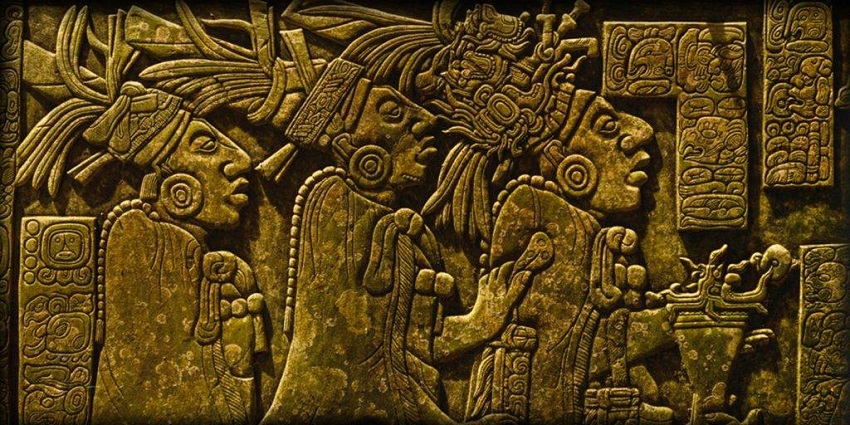
The Mayan civilization, known for its rich history and remarkable achievements, worshiped numerous gods and deities. Among these divine beings, there was a top god, often referred to as the supreme deity or the ruler of the Mayan pantheon. In this article, we will explore the identity of the Mayan top god, delve into their significance within the Mayan culture, and unravel the captivating myths and legends surrounding this divine figure. This content is presented by https://www.heartandstylewoman.com/
Introduction to the Mayan Pantheon
Before we unveil the identity of the Mayan top god, it’s essential to gain an understanding of the Mayan pantheon as a whole. The Mayans believed in a complex and diverse hierarchy of gods, each associated with different aspects of life, nature, and human endeavors. From gods of agriculture and fertility to gods of war and wisdom, the Mayan pantheon encompassed a wide range of divine entities.
The Enigmatic Mayan Top God
The gods of the Mayans held a position of great importance within their belief system, with Itzamná as the top deity. Itzamná was revered as the creator deity, the god of wisdom, and the ruler of heaven. This powerful figure played a pivotal role in shaping the world and bestowing knowledge upon humanity.
Itzamná and Creation
According to Mayan mythology, Itzamná was responsible for creating the universe, the Earth, and all living beings. Itzamná was believed to have breathed life into the cosmos and established the natural order of things. As the master architect of creation, this top god held immense influence over the Mayan civilization.
Itzamná and Wisdom
Itzamná’s association with wisdom and knowledge was another significant aspect of their divine persona. The Mayans believed that Itzamná possessed boundless wisdom and served as the patron deity of scholars, scribes, and teachers. Itzamná was revered as the ultimate source of intellectual enlightenment and was often depicted with a sacred book symbolizing their vast knowledge.
Itzamná’s Symbolism and Worship
In Mayan art and iconography, Itzamná was commonly represented as an elderly man with a long beard, symbolizing wisdom and experience. They were often depicted wearing a headdress adorned with feathers, denoting their celestial status. Itzamná’s worship involved elaborate rituals, including offerings and ceremonies performed by Mayan priests in honor of this supreme deity.
The Role of Itzamná in Mayan Society
Itzamná’s influence extended far beyond their divine attributes. They played a crucial role in Mayan society as the protector of rulers, ensuring the legitimacy and prosperity of kings and queens. Itzamná was also associated with the calendar, considered the keeper of time and the celestial cycles that governed the Mayan agricultural practices.
Temples and Sacred Sites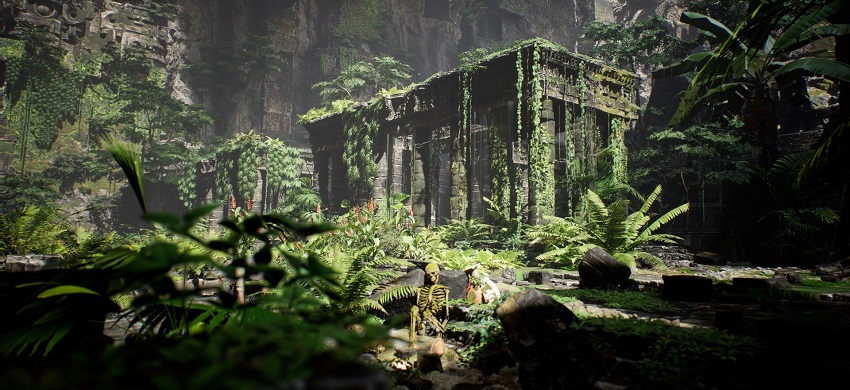
Throughout the Mayan territories, magnificent temples were dedicated to Itzamná, serving as places of worship and pilgrimage. One of the most renowned sacred sites honoring Itzamná is the city of Izamal in modern-day Mexico. The grandeur of these structures attests to the veneration and importance given to the Mayan top god.
Conclusion
In conclusion, Itzamná was the Mayan top god, occupying a position of supreme authority within the Mayan pantheon. They were revered as the creator of the universe, the bestower of wisdom, and the ruler of heaven. Itzamná’s influence permeated Mayan society, shaping their beliefs, rituals, and architectural marvels. The worship of Itzamná played a significant role in the lives of the Mayan people, providing them with guidance, knowledge, and a sense of connection to the divine.
FAQs (Frequently Asked Questions)
Q: Were there other important gods in the Mayan pantheon?
A: Yes, the Mayan pantheon consisted of numerous gods, each with their own unique significance and sphere of influence.
Q: Is Itzamná similar to other creator deities in different ancient civilizations?
A: While there are similarities in the concept of a creator deity, Itzamná has distinct characteristics that differentiate them from other mythological figures.
Q: Were there any rituals associated with the worship of Itzamná?
A: Yes, the worship of Itzamná involved elaborate rituals performed by Mayan priests to honor and seek the favor of this top god.
Q: Can we visit any temples dedicated to Itzamná today?
A: Yes, there are temples and sacred sites dedicated to Itzamná that can still be visited in certain Mayan archaeological sites.
Q: Did Itzamná have any connections to celestial events?
A: Yes, Itzamná was associated with the Mayan calendar and played a role in understanding celestial cycles that influenced agricultural practices.