


Head spas have become increasingly popular wellness treatments worldwide. These specialized services focus on scalp health and relaxation through massage, cleansing, and therapeutic techniques. Many head spas now incorporate aromatherapy to enhance the overall experience and provide additional benefits for both mind and body.
Understanding what a head spa entails and how aromatherapy plays a role can help you decide whether this treatment is right for you. This article explores the fundamentals of head spa treatments and the integration of essential oils for maximum wellness benefits.
Understanding Head Spa Treatments
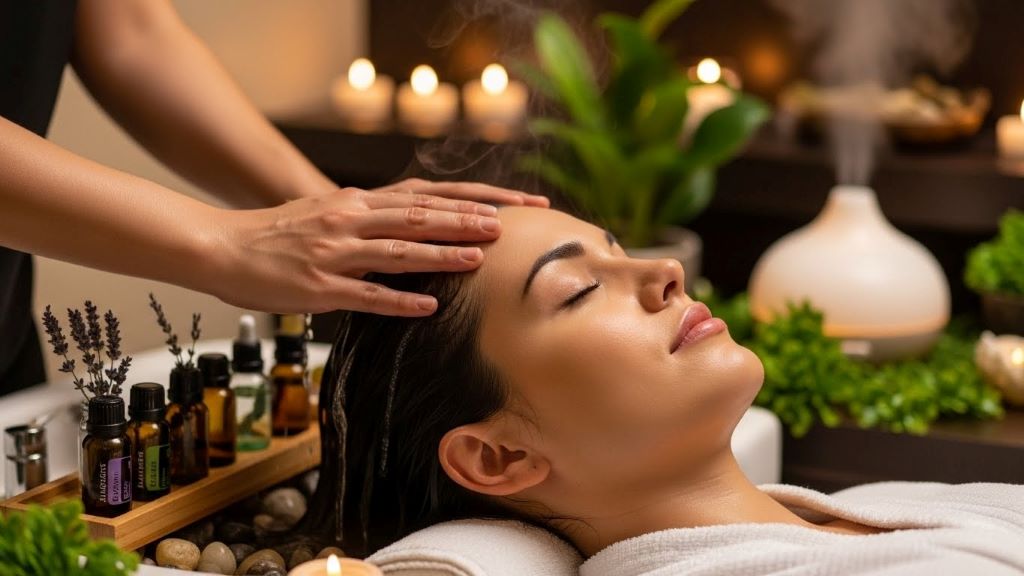
A head spa is a comprehensive scalp treatment that combines deep cleansing, massage, and nourishment. Unlike regular hair salon visits, head spas focus primarily on scalp health rather than just hair styling. The treatment typically takes between 60 to 90 minutes and involves multiple steps designed to improve circulation, remove buildup, and promote relaxation.
During a head spa session, trained therapists use specialized techniques to massage the scalp, temples, and neck. These movements help release tension and stimulate blood flow to hair follicles. Additionally, the treatment often includes steam therapy, which opens pores and allows products to penetrate more deeply.
The origins of head spa treatments can be traced back to traditional Japanese wellness practices. However, the concept has evolved globally with various cultures adding their unique approaches. Many modern head spas now blend Eastern and Western techniques to create comprehensive treatment protocols.
The Core Components of Head Spa Services
Head spa treatments typically follow a structured approach that addresses multiple aspects of scalp health. The process begins with a thorough consultation where therapists assess your scalp condition and specific concerns. This personalized approach ensures that treatments target your individual needs effectively.
The cleansing phase removes dirt, oil, and product buildup from the scalp. Therapists use gentle yet effective cleansers that don’t strip natural oils. Following cleansing, exfoliation helps remove dead skin cells and promotes cellular renewal. This step is crucial for maintaining a healthy scalp environment.
Massage forms the centerpiece of most head spa treatments. Skilled practitioners apply various pressure techniques to relieve tension and improve circulation. The massage extends beyond the scalp to include the neck, shoulders, and facial pressure points. Consequently, clients often experience full-body relaxation from this focused attention.
Treatment masks and serums provide deep nourishment to the scalp and hair. These products contain vitamins, minerals, and botanical extracts that address specific concerns like dryness, oiliness, or hair loss. Furthermore, the relaxing environment with dim lighting and calming music enhances the therapeutic effects.
What Is Aromatherapy
Aromatherapy involves using essential oils extracted from plants for therapeutic purposes. These concentrated oils contain the essence of flowers, herbs, bark, and roots. Each essential oil has unique properties that can affect physical, emotional, and mental wellbeing.
The practice of aromatherapy dates back thousands of years to ancient civilizations. Egyptians, Greeks, and Romans all used aromatic plant extracts for medicinal and spiritual purposes. Today, aromatherapy has gained recognition as a complementary wellness practice supported by growing scientific research.
Essential oils work through two primary pathways: inhalation and absorption. When inhaled, aromatic molecules reach the olfactory system and influence the limbic system in the brain. This area controls emotions, memories, and stress responses. Therefore, certain scents can quickly affect mood and relaxation levels.
Through skin absorption, essential oil compounds enter the bloodstream and circulate throughout the body. This allows them to interact with various physiological systems. However, essential oils must be properly diluted before topical application to prevent irritation.
How Aromatherapy Enhances Head Spa Experiences
Integrating aromatherapy into head spa treatments creates a multi-sensory experience that amplifies relaxation and therapeutic benefits. Therapists carefully select essential oils based on client needs and preferences. These oils are incorporated into various treatment stages for maximum effectiveness.
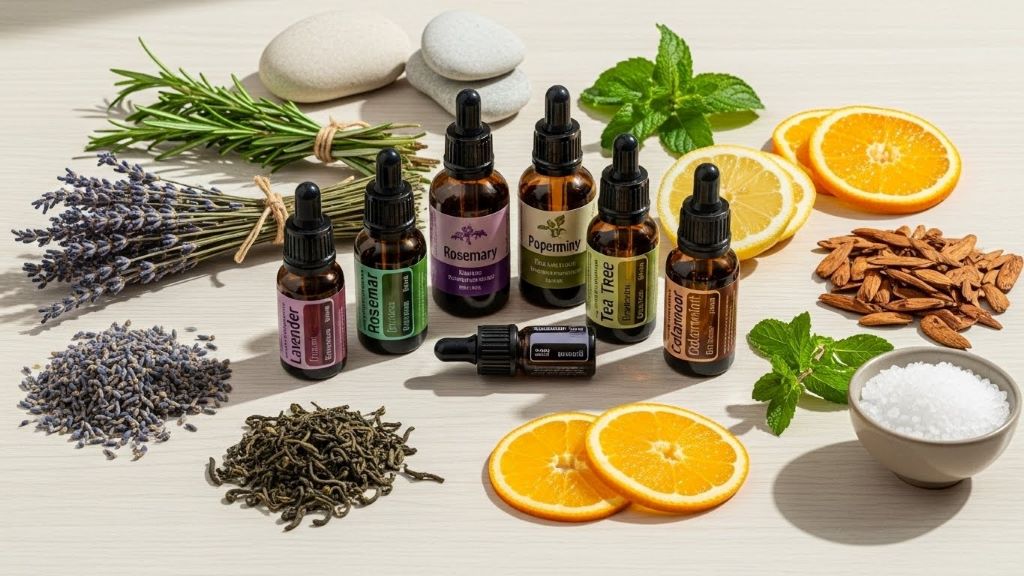
During the consultation phase, aromatherapy specialists discuss which scents and properties would best serve your goals. For example, lavender promotes relaxation and stress relief, while peppermint stimulates circulation and provides a cooling sensation. Rosemary supports hair growth and scalp health, whereas tea tree oil offers antimicrobial properties for scalp issues.
Essential oils are typically blended with carrier oils like jojoba, coconut, or sweet almond oil. This dilution ensures safety while maintaining therapeutic potency. The aromatherapy blends are then incorporated into massage oils, treatment masks, and scalp serums used throughout the session.
The aromatic environment itself contributes significantly to the treatment’s effectiveness. Many head spas use diffusers to disperse essential oils into the air, creating an immersive sensory experience. This atmospheric aromatherapy complements the direct application of oils to the scalp and hair.
Popular Essential Oils Used in Head Spa Treatments
Lavender essential oil ranks among the most commonly used oils in head spa aromatherapy. Its calming properties help reduce anxiety and promote deep relaxation. Additionally, lavender supports healthy hair growth and can soothe irritated scalp conditions. The gentle floral scent appeals to most clients and rarely causes sensitivity.
Peppermint oil provides an invigorating and refreshing sensation that many people find energizing. The cooling effect stimulates blood flow to the scalp, which may promote healthier hair growth. Moreover, peppermint can help alleviate tension headaches when massaged into temples and the base of the skull.
Rosemary essential oil has been traditionally used to support hair health and prevent premature graying. Research suggests that rosemary may be as effective as some conventional hair growth treatments. The herbaceous scent also helps improve mental clarity and focus during the treatment.
Tea tree oil offers powerful antimicrobial and antifungal properties that benefit scalp health. This oil is particularly useful for addressing dandruff, itchiness, and minor scalp infections. However, tea tree oil has a strong medicinal scent that some people find less appealing than floral or citrus options.
Ylang ylang essential oil balances oil production in the scalp while providing a sweet, exotic fragrance. This oil works well for both dry and oily scalp conditions. Furthermore, ylang ylang is known for its mood-enhancing and aphrodisiac properties.
The Science Behind Aromatherapy Benefits
Scientific research increasingly supports the therapeutic effects of aromatherapy in wellness treatments. Studies published in the National Center for Biotechnology Information demonstrate that certain essential oils can reduce cortisol levels and lower perceived stress. These physiological changes help explain why aromatherapy feels relaxing at a neurological level.
Essential oils contain complex chemical compounds that interact with receptors in the body. For instance, linalool found in lavender has demonstrated sedative effects in multiple studies. Similarly, menthol in peppermint oil activates cold receptors and increases blood flow when applied topically.
The olfactory system’s direct connection to the limbic brain explains aromatherapy’s rapid emotional effects. Unlike other sensory information that must be processed through multiple brain regions, smell signals reach emotional centers almost immediately. Therefore, inhaling calming scents can quickly shift emotional states.
Research also indicates that aromatherapy massage may enhance the benefits of massage alone. The combination of touch therapy and aromatic compounds appears to have synergistic effects on stress reduction and pain relief. This scientific backing validates the traditional practice of combining these modalities.
What to Expect During an Aromatherapy Head Spa Session
Your aromatherapy head spa experience begins with a consultation about your preferences and any sensitivities. The therapist will present various essential oil options and explain their properties. Together, you’ll select oils that align with your wellness goals and scent preferences.
The session typically starts with a gentle scalp analysis using specialized equipment or manual inspection. This helps identify areas of concern such as dryness, oiliness, or tension. Based on these findings, the therapist customizes the treatment protocol and aromatherapy blend.
Once you’re comfortably seated or reclined, the therapist begins with a relaxing neck and shoulder massage. This prepares your body for deeper relaxation during the scalp treatment. The aromatherapy oils are warmed slightly to enhance absorption and comfort.
The scalp cleansing phase uses products infused with your selected essential oils. Warm water and gentle manipulation remove impurities while the aromatics begin their therapeutic work. Many clients describe this stage as deeply satisfying and almost meditative.
The extended massage portion forms the heart of the treatment. Therapists use specific techniques that target acupressure points and promote lymphatic drainage. The aromatherapy oils are massaged thoroughly into the scalp, allowing both physical and aromatic benefits to take effect.
Treatment masks or intensive serums are applied and left to penetrate while you relax further. Some head spas include steam therapy during this phase to enhance absorption. The combination of heat, moisture, and aromatherapy creates a cocooning effect that many find profoundly relaxing.
Choosing the Right Head Spa for Aromatherapy
Selecting a quality head spa requires research into credentials, cleanliness, and product quality. Look for establishments where therapists have proper training in both scalp treatments and aromatherapy. Certifications from recognized organizations indicate professional expertise and commitment to best practices.
Visit potential head spas to assess the environment and ask questions about their aromatherapy practices. Reputable establishments use high-quality, pure essential oils rather than synthetic fragrances. They should be transparent about their oil sources and able to discuss contraindications for certain oils.
Reading reviews from previous clients provides insight into service quality and customer satisfaction. Pay attention to comments about cleanliness, professionalism, and results. Additionally, recommendations from friends or healthcare providers can help you find trustworthy establishments.
Consider the spa’s approach to customization and consultation. The best head spas take time to understand your needs rather than offering one-size-fits-all treatments. They should ask about allergies, sensitivities, and your health history before proceeding with aromatherapy.
Benefits Beyond Relaxation
While relaxation remains a primary benefit of aromatherapy head spas, these treatments offer numerous additional advantages. Improved scalp circulation can promote healthier hair growth and stronger follicles. Regular treatments may reduce hair loss and improve hair texture over time.
Deep cleansing removes product buildup that can clog pores and inhibit healthy hair growth. This is particularly beneficial for people who use many styling products or live in polluted environments. Consequently, hair often appears shinier and more voluminous after treatment.
The stress reduction achieved through aromatherapy head spas can have far-reaching health effects. Chronic stress contributes to numerous health problems including hair loss, poor sleep, and weakened immunity. Therefore, regular relaxation treatments support overall wellness beyond cosmetic improvements.
Many clients report improved sleep quality following aromatherapy head spa sessions. The combination of relaxation, stress relief, and calming aromatics prepares the body for restful sleep. Some people find that their sleep improves for several days after treatment.
Tension headaches and migraines may be relieved through the combination of scalp massage and appropriate essential oils. The physical manipulation releases muscle tension while aromatherapy addresses pain and stress. However, people with chronic headache conditions should consult healthcare providers about appropriate treatments.
Conclusion
Head spas offer a unique approach to wellness that focuses on scalp health, relaxation, and overall wellbeing. The integration of aromatherapy elevates these treatments by engaging multiple senses and providing additional therapeutic benefits. From stress reduction to improved hair health, aromatherapy head spas address both physical and emotional needs.
Understanding the components of these treatments helps you make informed decisions about incorporating them into your self-care routine. Whether you seek relief from tension, improved scalp conditions, or simply a peaceful escape from daily stress, aromatherapy head spas provide a comprehensive solution. The combination of skilled massage techniques and carefully selected essential oils creates an experience that nurtures body, mind, and spirit.
Frequently Asked Questions
How often should I get a head spa treatment with aromatherapy?
Most experts recommend monthly head spa treatments for maintaining optimal scalp health and relaxation benefits. However, people with specific scalp conditions may benefit from more frequent sessions initially. Consult with your head spa therapist to determine the ideal frequency for your individual needs and goals.
Are there any side effects from aromatherapy in head spas?
Most people experience no adverse effects from properly diluted aromatherapy oils. However, some individuals may have allergies or sensitivities to certain essential oils. Always inform your therapist about any known allergies, pregnancy, or medical conditions before treatment to ensure safety.
Can aromatherapy head spas help with hair loss?
While aromatherapy head spas cannot cure genetic hair loss, they may support healthier hair growth through improved scalp circulation and reduced stress. Essential oils like rosemary and peppermint have shown promise in supporting hair health. Combine treatments with appropriate medical advice for best results.
How long do the effects of an aromatherapy head spa last?
The relaxation and stress relief effects typically last several days to a week after treatment. Scalp health improvements accumulate over multiple sessions with consistent treatments. Many clients notice immediate improvements in hair appearance and texture that last until the next wash.
What should I do after an aromatherapy head spa treatment?
Avoid washing your hair for at least 12 to 24 hours after treatment to allow oils to fully penetrate. Drink plenty of water to support detoxification and hydration. Continue using quality hair products at home and consider incorporating gentle scalp massage into your routine between professional treatments.
Related Topics:
Conquer Your Day: Short Self-Care Routines for Busy Professionals