





Transportation plays a crucial role in our daily lives, enabling us to commute to work, travel, and access essential services. As our cities grow and technological advancements continue to emerge, it becomes imperative to explore ways to improve transportation systems. In this article, we will delve into various strategies and innovations that can enhance transportation efficiency, sustainability, and convenience.
Transportation is vital to modern society, enabling people to travel efficiently and access various destinations. However, with increasing urbanization and population growth, transportation systems face challenges such as congestion, pollution, and inefficiency. To overcome these issues, we need to explore innovative approaches and solutions.
Developing Efficient Public Transportation Systems
Efficient public transportation significantly reduces traffic congestion and promotes sustainable mobility. Here are some strategies to enhance public transportation:
Implementing Integrated Fare Systems
Integrating fare systems across different modes of public transport allows commuters to travel seamlessly without the hassle of multiple tickets or cards. By implementing smart cards or mobile payment solutions, passengers can pay for their journeys effortlessly, improving convenience and encouraging the use of public transport.
Expanding Public Transportation Networks
Investing in expanding public transportation networks helps increase accessibility and reduces dependency on private vehicles. This includes developing new routes, adding more buses or trains, and ensuring adequate frequency to accommodate the growing demand for public transport services.
Prioritizing Last-Mile Connectivity
Last-mile connectivity refers to the transport options available for commuters to reach their final destinations from public transport stations. By integrating solutions such as bike-sharing programs, electric scooters, or shuttle services, we can bridge the gap between public transport stops and the desired locations, making the overall journey more convenient.
Promoting Sustainable Transportation
Sustainable transportation aims to minimize the environmental impact of travel and reduce dependence on fossil fuels. Here are some ways to promote sustainability:
Encouraging Active Modes of Transport
Promoting walking, cycling, and other active modes of transport improves individual health and reduces traffic congestion and air pollution. Building cycling lanes, pedestrian-friendly infrastructure, and secure bike parking facilities can encourage people to choose these modes for short-distance trips.
Investing in Electric Vehicles
Electric vehicles (EVs) have gained significant attention due to their lower emissions than traditional gasoline-powered vehicles. Governments and organizations can incentivize the adoption of EVs by providing subsidies, building charging infrastructure, and supporting research and development in battery technology to improve their range and affordability.
Adopting Smart Traffic Management Systems
Smart traffic management systems leverage real-time data and advanced technologies to optimize traffic flow, reduce congestion, and enhance overall transportation efficiency. Intelligent traffic signals, dynamic routing systems, and predictive analytics can help alleviate traffic congestion, resulting in smoother and faster journeys.
Harnessing Technology for Transportation Improvement
Technology plays a pivotal role in transforming transportation systems. Here are some technological advancements that can improve transportation:
Implementing Intelligent Transportation Systems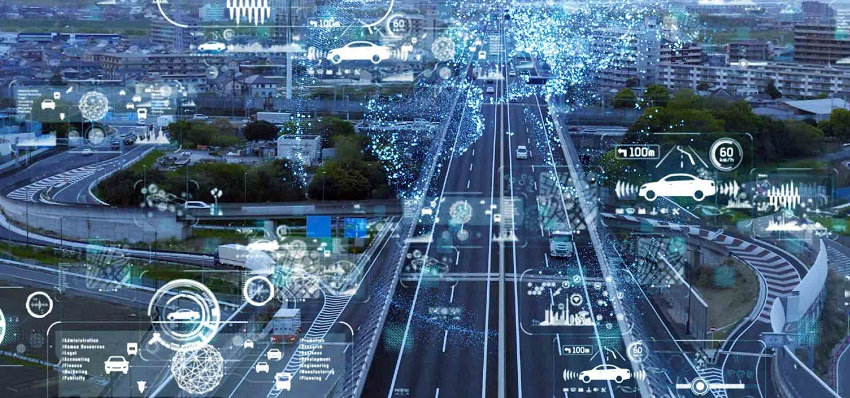
Intelligent Transportation Systems (ITS) utilize sensors, cameras, and advanced communication networks to monitor and manage traffic effectively. ITS can provide real-time information to drivers, optimize traffic signal timings, and detect incidents promptly, contributing to safer and more efficient travel experiences.
Leveraging Data Analytics and Machine Learning
By analyzing vast amounts of transportation data using data analytics and machine learning algorithms, we can gain valuable insights into travel patterns, traffic behavior, and infrastructure utilization. This information can guide decision-making processes and help optimize transportation systems for improved efficiency.
Exploring Autonomous Vehicles
Autonomous vehicles (AVs) have the potential to revolutionize transportation by reducing accidents, improving traffic flow, and enhancing accessibility. However, there are challenges to overcome, such as ensuring safety, developing robust regulations, and addressing public acceptance concerns before AVs can be widely implemented.
Enhancing Intermodal Connectivity
Intermodal connectivity focuses on seamlessly connecting different modes of transportation to provide convenient and efficient travel experiences. Here’s how it can be improved:
Integrating Different Modes of Transport
Integrating various modes of transport, such as buses, trains, trams, and ferries, under a unified system allows passengers to switch between modes smoothly. This integration can be achieved through coordinated schedules, shared ticketing systems, and physical infrastructure improvements like interchanges or transfer hubs.
Streamlining Intermodal Transfers
Efficient intermodal transfers require well-designed and user-friendly transfer facilities. These facilities should provide clear signage, comfortable waiting areas, and easy navigation to ensure passengers can switch between modes quickly and without confusion.
Addressing Infrastructure Challenges
Infrastructure plays a crucial role in transportation efficiency. Here are some measures to address infrastructure challenges:
Upgrading Road and Rail Networks
Investing in expanding and improving road and rail networks can enhance capacity, reduce congestion, and shorten travel times. This includes building new roads, widening existing ones, and upgrading rail lines to accommodate growing transportation demands.
Investing in Smart Infrastructure
Smart infrastructure incorporates advanced technologies to monitor and manage transportation networks effectively. This can include intelligent traffic management systems, smart parking solutions, and real-time information displays, collectively contributing to a more efficient and user-friendly transportation experience.
Implementing Traffic Congestion Solutions
Traffic congestion negatively impacts travel time, air quality, and fuel consumption. Solutions like congestion pricing, carpooling incentives, and traffic signal optimization can help alleviate congestion and improve overall transportation efficiency.
Conclusion
Improving transportation is a multifaceted endeavor that requires integrating various strategies, innovations, and technologies. By developing efficient public transportation systems, promoting sustainable mobility, harnessing technology, enhancing intermodal connectivity, and addressing infrastructure challenges, we can create a transportation landscape that is efficient, sustainable, and accessible for all.
FAQs (Frequently Asked Questions)
How can smart traffic management systems improve transportation?
Smart traffic management systems utilize real-time data and advanced technologies to optimize traffic flow, reduce congestion, and enhance overall transportation efficiency. They achieve this by providing intelligent traffic signal control, dynamic routing options, and predictive analytics to mitigate congestion and improve travel times.
What are the benefits of investing in electric vehicles?
Investing in electric vehicles (EVs) offers numerous benefits. EVs produce lower or zero tailpipe emissions, reducing air pollution and greenhouse gas emissions. They also contribute to energy diversification, decrease dependence on fossil fuels, and potentially reduce the overall cost of vehicle ownership through lower fuel and maintenance expenses.
How can data analytics and machine learning contribute to transportation improvement?
Data analytics and machine learning provide valuable insights into travel patterns, traffic behavior, and infrastructure utilization. This information helps transportation authorities and planners make informed decisions to optimize transportation systems. By leveraging these technologies, we can improve traffic management, identify areas for infrastructure improvement, and enhance overall transportation efficiency.
What are the challenges associated with implementing autonomous vehicles?
Implementing autonomous vehicles (AVs) poses challenges such as ensuring safety, developing robust regulations, and addressing public acceptance concerns. AV technology must demonstrate exceptional reliability and security to gain public trust. Additionally, legal and ethical considerations, liability issues, and the impact on employment must be carefully addressed before widespread adoption.
How can upgrading infrastructure enhance transportation efficiency?
Upgrading infrastructure, such as roads and rail networks, improves transportation efficiency by increasing capacity, reducing congestion, and shortening travel times. Well-designed and maintained infrastructure also enhances safety and improves the overall quality of the transportation experience for commuters and travelers.