



DIY projects bring immense satisfaction. Homeowners tackle everything from simple repairs to full renovations themselves. In fact, according to the U.S. Census Bureau’s American Housing Survey, 49 million homeowners made improvements in recent years. Moreover, 53 million of those projects were do-it-yourself efforts. This trend shows no signs of slowing down. However, success depends on having the right workshop tools. Among them, heavy-duty drivers stand out for tough fastening jobs.
Many beginners start with basic items. Yet, as projects grow, they need more power and efficiency. This article explores essential tools for DIYers. It highlights why an impact driver like the Milwaukee M18 Fuel transforms your work. You will discover practical tips, real benefits, and how these tools save time and effort.
Essential Hand Tools Every DIYer Should Own
Hand tools form the foundation of any toolkit. They handle quick fixes and precise tasks. Start here before adding power options.
First, a good hammer drives nails and offers leverage. Choose a 16-ounce claw hammer for balance. It pulls nails easily too.
Next, screwdrivers come in sets. Include Phillips and flathead types in various sizes. They tighten loose handles or assemble furniture.
Tape measures ensure accuracy. A 25-foot model with a standout blade works best. It locks in place for solo use.
Pliers grip and twist wires. Needle-nose pliers reach tight spots, while adjustable ones handle nuts.
Utility knives cut materials cleanly. Always keep extra blades handy.
Levels check plumb and straight lines. A torpedo level fits small jobs, and a longer one suits walls.
Finally, add a stud finder. It locates framing for secure hanging.
These basics cover most daily needs. However, for bigger builds, power tools step in.
Must-Have Power Tools for DIY Success
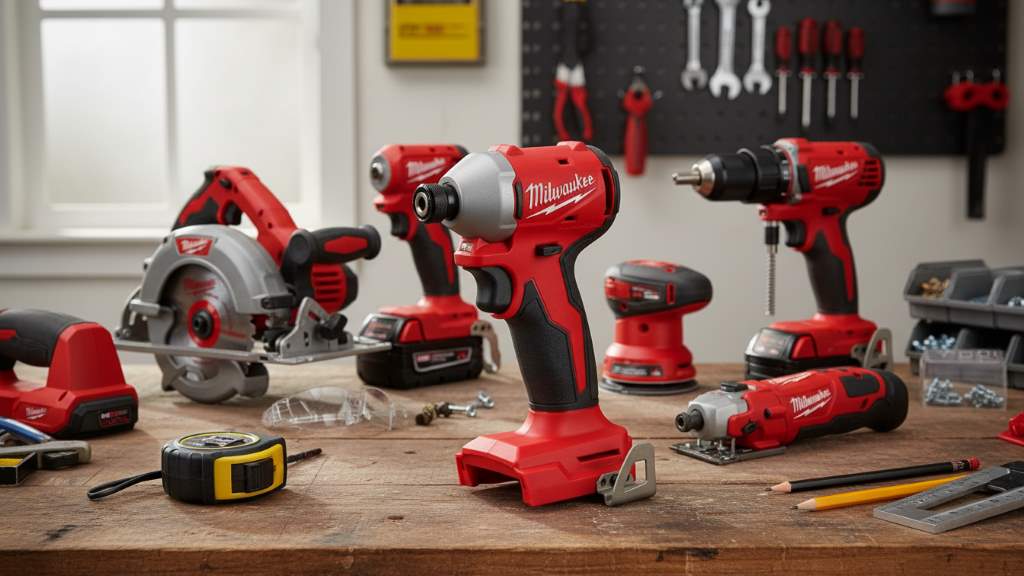
Power tools speed up work and tackle tough materials. They turn hours into minutes.
A cordless drill ranks high on every list. It bores holes and drives screws. Opt for one with variable speed and a clutch.
Circular saws cut straight lines in wood. They build shelves or frame walls.
Jigsaws handle curves and intricate shapes. Perfect for custom fits.
Sanders smooth surfaces quickly. Orbital models reduce swirl marks.
Reciprocating saws demolish old structures. They cut through nails and wood.
These tools boost productivity. Yet, one stands out for fastening: the impact driver.
Why an Impact Driver Is a Game-Changer for DIY Projects
Impact drivers deliver rotational force plus concussive blows. This combo drives fasteners deeper without stripping.
Regular drills struggle with long screws in hardwood. Impact drivers push through effortlessly. They reduce wrist strain too.
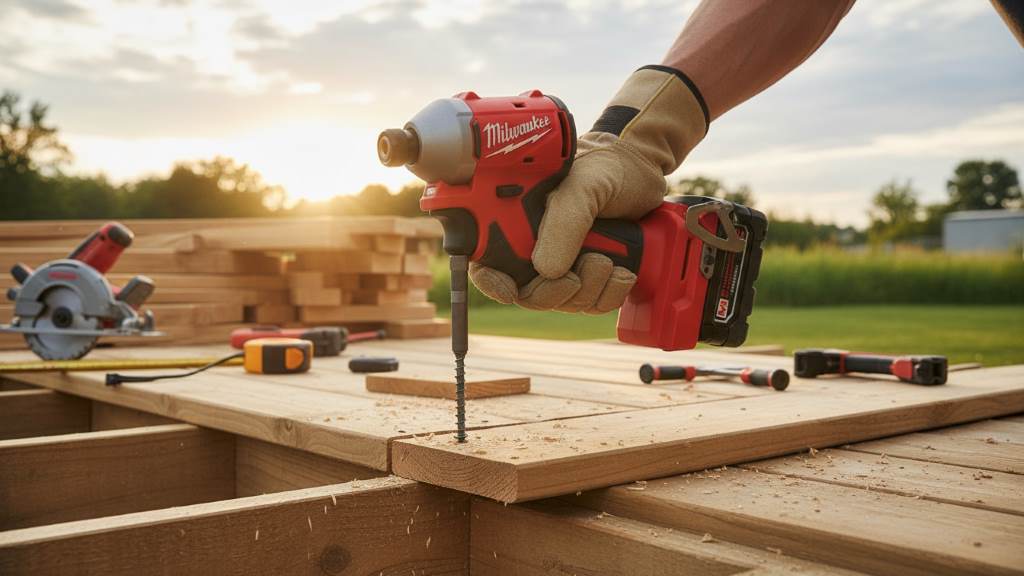
For example, building a deck involves hundreds of screws. An impact driver finishes faster and with less fatigue.
Heavy-duty drivers like these prevent cam-out. Bits stay seated, avoiding damage.
In tight spaces, their compact size shines. Overhead work feels easier.
Many DIYers report halving project time. One user shared how it transformed barn repairs on old oak.
Moreover, cordless models offer freedom. No cords mean better mobility.
Transitioning to a top model elevates results further.
Spotlight: The Milwaukee M18 Fuel Impact Driver
The Milwaukee M18 Fuel series leads in performance. Its brushless motor delivers high torque efficiently.
This tool measures just over 4 inches long. It fits where others cannot.
Four modes adjust power. Use low for delicate tasks, high for lags.
It drives fasteners up to 30% faster than competitors. Torque handles dense materials.
LED lights illuminate work areas. The grip reduces vibration.
Battery life extends with REDLINK intelligence. It prevents overload.
Users praise its balance and power. Pros and DIYers alike rely on it daily.
This driver integrates seamlessly with other M18 tools. Expand your system easily.
Clearly, it belongs in every serious kit.
Safety Gear and Accessories That Protect You
Tools work best with proper protection. Never skip these items.
Safety glasses shield eyes from debris. Choose impact-rated ones.
Work gloves improve grip and prevent blisters. Leather handles rough materials.
Ear protection muffles loud noises. Foam plugs or muffs work well.
Dust masks filter particles. Upgrade to respirators for fine dust.
Knee pads ease floor work. They save joints during tiling or decking.
First-aid kits handle minor cuts. Keep one nearby.
Extension cords and organizers keep spaces tidy.
These additions make projects safer and more enjoyable.
Building Your Workshop: Storage and Organization Tips
Good organization saves time. Find tools quickly.
Toolboxes hold hand items. Rolling cabinets manage power tools.
Pegboards display frequently used pieces. Hooks keep them accessible.
Shelves store materials. Label bins for screws and nails.
Workbenches provide stable surfaces. Add vises for holding work.
Lighting brightens details. LED shop lights reduce shadows.
Ventilation clears fumes. Fans or open windows help.
A well-organized space boosts efficiency. It turns chaos into flow.
Common DIY Projects and the Tools They Require
Many projects benefit from the right setup.
Hanging shelves needs a drill, level, and studs finder.
Building furniture requires saws, clamps, and drivers.
Deck construction demands heavy-duty drivers for lags.
Fence installation uses post hole diggers and impacts.
Kitchen updates involve tile cutters and sanders.
Each task highlights specific tools. An impact driver appears often.
For instance, assembling cabinets goes smoother with one.
These examples show real-world value.
Related:
Rope Ladders: A Guide to Vertical Ascent and Safe Descent
Williams Socket Sets: The Mechanic’s Choice for Automotive Repair
Maintenance Tips to Keep Your Tools Performing
Tools last longer with care.
Clean after use. Wipe dust and debris.
Store in dry places. Prevent rust.
Sharpen blades regularly. Dull ones strain motors.
Check batteries. Charge properly.
Lubricate moving parts. Oil hinges and jaws.
Inspect cords for damage. Replace if needed.
Follow manuals. They guide best practices.
Proper maintenance ensures reliability. Your investment pays off.
Conclusion
DIYers thrive with the right tools. Start with basics and add power as needed. Hand tools handle precision, while power options conquer tough jobs.
Impact drivers, especially heavy-duty ones like the Milwaukee M18 Fuel, change everything. They drive faster, reduce strain, and tackle demanding tasks.
Build your kit gradually. Focus on quality. Soon, projects flow smoothly.
Ready to upgrade? Grab an impact driver today. Your next build will thank you. Start that deck or shelf you’ve been planning.
FAQs
What makes an impact driver better than a regular drill for DIY?
Impact drivers add concussive force. This drives screws deeper without stripping. They excel in hard materials and long fasteners. Drills offer more control for drilling but less power for driving.
Is the Milwaukee M18 Fuel suitable for beginners?
Absolutely. Its modes allow gentle starts. Beginners control power easily. The compact design feels comfortable.
Do I need both a drill and an impact driver?
Yes, for versatility. Drills bore holes best. Impact drivers fasten efficiently. Together, they cover most tasks.
How do I choose the right impact driver?
Consider torque, size, and battery platform. Look for brushless motors. Read reviews for real performance.
Can impact drivers drill holes?
Some can with hex bits. However, dedicated drills perform better for larger or precise holes.
References
- U.S. Census Bureau American Housing Survey: https://www.census.gov/programs-surveys/ahs.html
- Pro Tool Reviews Milwaukee M18 Fuel Impact Driver: https://www.protoolreviews.com/milwaukee-m18-fuel-impact-driver-review/
- TechGearLab Impact Driver Reviews: https://www.techgearlab.com/topics/tools/best-impact-driver
- Bob Vila Impact Driver Guide: https://www.bobvila.com/articles/what-is-an-impact-driver/