




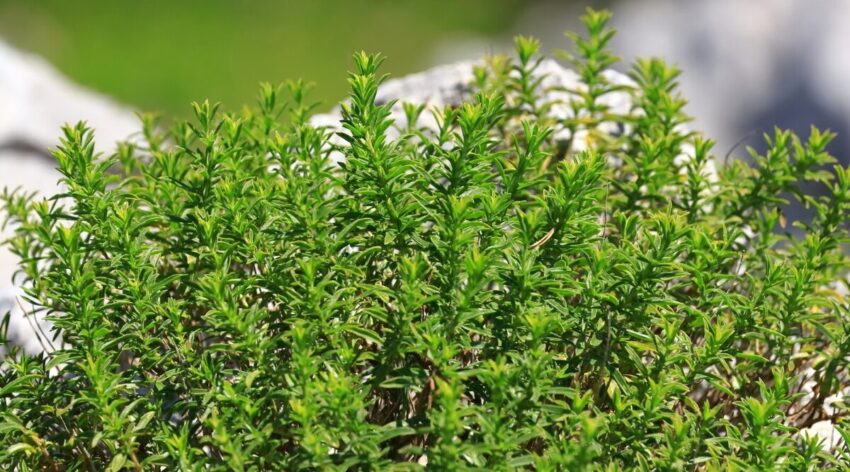
Drying thyme leaves at home is a fun and easy way to preserve them, and the results are delicious too. You can dry thyme leaves for the best thyme drying experience or to store your leaves for next time. The dried thyme leaves will stay fresh in airtight containers for months. Cae angie dickinson nude Besides drying thyme leaves at home, drying thyme can be a fun activity with the family. Let’s get into the essential info you need to dry thyme leaves at home, the benefits of drying thyme, what you need to dry thyme at home, how to store dried thyme, and tips from an expert.
How to Dry Thyme
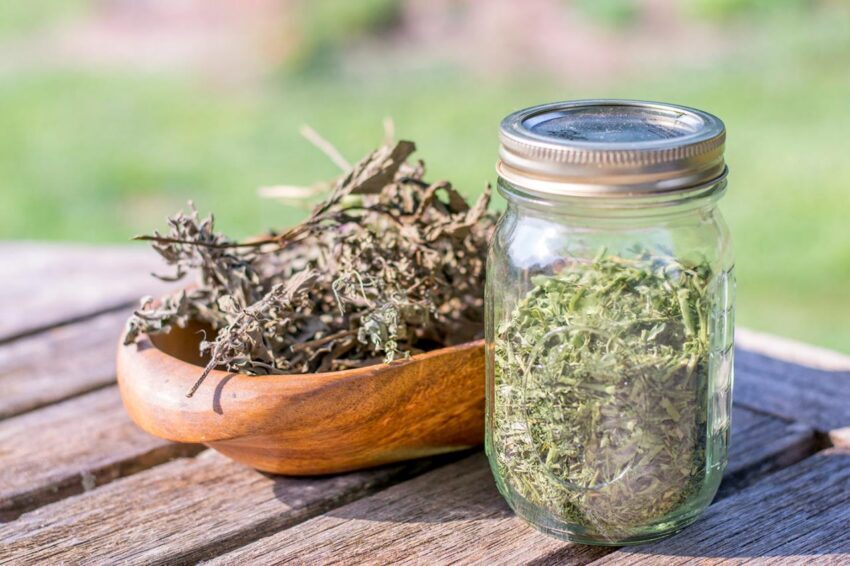
Traditionally, herbs were dried by hanging. This method requires no special equipment and is one of the best ways to dry thyme.
There are four great methods to dry thyme, including drying in the oven, dehydrator, microwave, or by leaving it to air dry. However, the oven is the most popular method, as it offers a low-risk option and ensures that the herbs are dried to the desired level without burning them. When drying thyme in the oven, be sure to only dry the thyme leaves and stems, not the whole herb.
After drying thyme in the oven, you can store it in an airtight container for several weeks or months. Another way to dry thyme is by using a dehydrator. However, a food dehydrator is the best tool for drying thyme because it will provide you with consistent results and produce dried herbs with a pleasant aroma and flavor.
The Benefits of Drying Thyme
Hanging thyme sprigs in a dry, airy place is a great way to dry thyme. It helps the herb retain its flavor and aromatic properties without losing too much moisture. You can also dry thyme using an oven or dehydrator.
Other methods for drying thyme include air-drying or hanging the sprigs, and oven-drying for 1-4 hours. However, be sure to monitor the temperature and time carefully as these methods can dry thyme too quickly or too slowly, causing it to burn. Also, be aware of the food safety issues of drying thyme at home.
Drying thyme at home can help you preserve the herb and make it last longer, but be sure to follow safe food handling practices when doing so.
What You Need to Dry Thyme at Home
It’s easy to dry thyme at home, but you’ll need a few pieces of parchment paper, a baking tray, and fresh thyme sprigs.
– Prune and clean the thyme sprigs and lay them out on the parchment paper, leaving space between the sprigs for air to circulate
– Place the baking tray in the oven at its lowest temperature, typically between 120-180 degrees Fahrenheit
– Dry thyme in the microwave, oven, or dehydrator
– Drying time will vary depending on the temperature, but it should take between 1-4 hours
– It can take anywhere from 3 days to 2 weeks for the thyme to fully dry, depending on the level of moisture in your house and how big the herb bundle is
Once dried, thyme leaves can be stored for months, making them a convenient ingredient for many dishes.
How to Store Dried Thyme
Dried thyme can last for a long time when stored properly. Fresh thyme, it should be stored in airtight containers such as re-sealable bags or plastic containers with air-tight lids for optimal freshness. Once the fresh herb is dried and cooled, it should be placed in an airtight container and stored in a cool, dark location such as a pantry or spice drawer.
The dried thyme can last for 1 to 3 years when stored in the appropriate conditions. dehydrating thyme is a great way to store it for later use. To dehydrate thyme, simply dry it until completely crisp, then crumble the herb into small pieces and place it into a container with a lid. Seal the container and let the thyme dry completely before using.
When drying thyme, keep in mind not to over-dry the herbs as this could result in mold growth. Also, be sure to rotate the herbs so they don’t become too brittle or lose their flavor.
Lastly, be sure to store dried herbs in a dry place away from sunlight for optimal freshness and longevity.
Expert Tips for Perfectly Dried Thyme
If you’re looking to dry thyme at home, then it’s important to follow a few tips to get the best results. The low and slow drying process is a great way to preserve thyme’s fresh flavor and fragrance without losing any of its essential oils. To do this, start by drying thyme leaves on a dehydrator’s lowest heat setting for about 8 hours. This will help to dry out the leaves and remove excess water, resulting in leaves that are crisp but not dried out.
After drying leaves, place them in a single layer in a container and let them air-dry overnight. Once dry, thyme leaves can be used immediately or removed from the stem and stored in an airtight container. Another way to dry thyme is by using a dry herb dehydrator, which can also be used for other dried herbs like basil or oregano. Air drying thyme is another option, but keep in mind that drying thyme too quickly could result in stems turning burnt or brittle. Avoid increasing the temperature when drying thyme to ensure that it remains fresh and vibrant.
Finally, don’t forget about baking thyme leaves with other herbs for a flavorful garnish on food dishes or using dried thyme leaves in recipes as a spice. By following these tips, you can safely dry thyme at home and enjoy its fresh flavor every time.
Conclusion
Thyme is a fragrant herb that can be used in a variety of recipes and preparations. It’s best dried fresh, but you can also dry thyme from the garden or grocery store as long as it’s fresh. If you want to start drying thyme at home, check out our expert tips for drying thyme. We’ve also included a recipe for thyme-infused oil that you can use to season your food. Feel free to share your drying experience with us too. Comment below and let us know how it worked out!
You may like to read The Best Way to Get Rid of a Flea Problem Forever