



Picture yourself cruising down the road, wind in your hair, enjoying the freedom of the open highway. But what if that carefree journey was interrupted by the sudden realization that you’re driving with low tire pressure? How long can you continue your drive safely? In this article, we’ll delve into how long can you drive with low tire pressure. We’ll explore the dangers, signs to watch out for, and provide guidance on how to handle this situation. So, let’s hit the road!
Understanding Tire Pressure
Before we delve into the specifics, let’s start with the basics. Tire pressure refers to the amount of air inside a tire, measured in pounds per square inch (PSI). It plays a vital role in supporting the vehicle’s weight, providing a cushioning effect, and maintaining contact between the tires and the road surface. Understanding the ideal tire pressure levels for your vehicle and the factors that affect tire pressure is crucial.
To discover how to tell if someone put a screw in your tire, you can look for signs such as a sudden loss of tire pressure, visible screws or nails protruding from the tire, or a hissing sound indicating air leakage. Additionally, you may notice uneven tire wear, vibration while driving, or poor handling characteristics if there is a foreign object, like a screw, in your tire.
The Dangers of Driving with Low Tire Pressure
Now that we understand the importance of tire pressure, let’s explore the risks associated with driving on underinflated tires.
Increased Risk of Accidents
Driving with low tire pressure significantly increases the risk of accidents. Underinflated tires reduce traction and compromise handling, especially during emergency maneuvers or when road conditions are less than ideal. This can result in longer braking distances, reduced responsiveness, and decreased overall vehicle stability.
Reduced Fuel Efficiency
If you want to save money at the gas pump, keeping your tires properly inflated is a smart move. Underinflated tires create more rolling resistance, requiring the engine to work harder and burn more fuel to maintain the same speed. Maintaining the recommended tire pressure can improve your vehicle’s fuel efficiency and save some bucks in the long run.
Premature Tire Wear
Driving with low tire pressure can also lead to premature tire wear. Underinflated tires cause uneven weight distribution, accelerating tread wear on the edges. This reduces the lifespan of your tires and decreases their overall performance and grip, making them more prone to punctures or blowouts.
Negative Impact on Vehicle Handling
Underinflated tires affect the overall handling and responsiveness of your vehicle. You might notice increased body roll, reduced steering precision, and less connected driving experience. Maintaining the correct tire pressure is crucial to ensure your vehicle performs optimally and provides a safe and comfortable ride.
Signs of Low Tire Pressure
Spotting low tire pressure early on can help prevent potential hazards. Here are some signs to watch out for:
Warning Lights on the Dashboard
Many modern vehicles have a tire pressure monitoring system (TPMS), which alerts you when tire pressure drops below a certain threshold. Pay attention to warning lights or messages on your dashboard, indicating low tire pressure.
Uneven Tire Wear
Inspect your tires regularly for signs of uneven wear. Underinflated tires often show more wear on the edges, while overinflated tires tend to wear more in the center. If you notice uneven tread wear, checking your tire pressure is a good idea.
Reduced Responsiveness and Handling
If your vehicle feels less responsive than usual or exhibits vague steering, it could indicate low tire pressure. Underinflated tires reduce the tire’s ability to respond to steering inputs quickly, compromising overall vehicle handling.
Visual Inspection of Tires
Take a few moments to inspect your tires visually. If you notice any visibly deflated tires or bulges, it’s likely an indication of low tire pressure. Additionally, look for nails, screws, or other foreign objects that may have punctured the tire, causing gradual air loss.
How Long Can You Drive with Low Tire Pressure?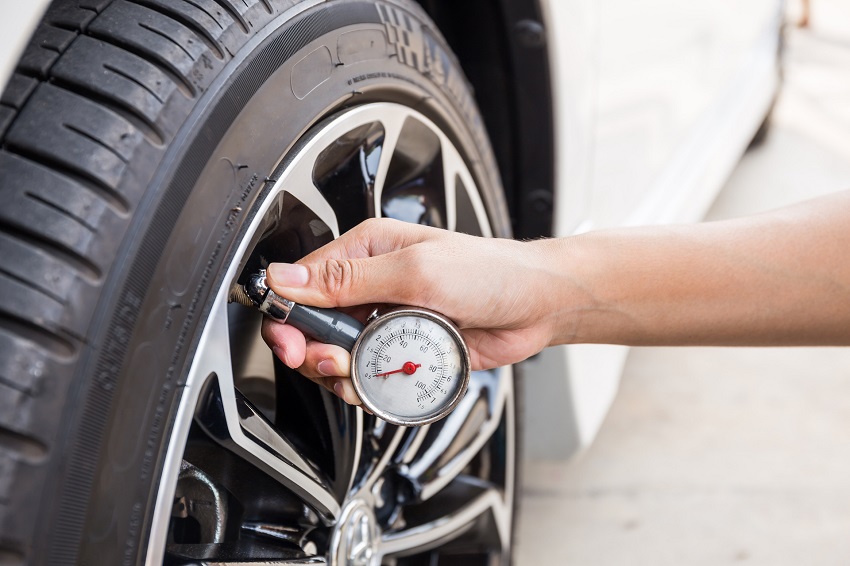
The duration you can drive with low tire pressure depends on various factors, including the underinflation severity, the driving duration, and the specific tire characteristics. It’s important to understand that driving with consistently low tire pressure is not recommended.
Impact of Severity and Duration
Driving for short distances with slightly underinflated tires might not immediately pose a significant risk. However, as tire pressure decreases further, the risks multiply. It’s essential to promptly address low tire pressure to avoid potential accidents and damage.
The Potential for Tire Failure
Driving with low tire pressure increases the risk of tire failure, especially if you encounter road hazards or adverse driving conditions. Underinflated tires are more susceptible to blowouts, resulting in loss of control and serious accidents. It’s always better to err on caution and address the issue immediately.
Safe Driving Recommendations
If you find yourself driving with low tire pressure, it’s important to follow these safe driving recommendations:
- Reduce your speed: Driving slowly reduces tire strain and helps minimize the blowout risk.
- Avoid abrupt maneuvers: Sudden turns, hard braking, or aggressive acceleration can further stress the underinflated tires. Drive smoothly and maintain a safe distance from other vehicles.
- Limit your driving distance: Limit your driving distance to the nearest service station or tire shop. Prolonged driving on underinflated tires can cause significant damage and compromise your safety.
Importance of Regular Tire Maintenance
Prevention is always better than cure, and this holds for tire pressure as well. Regularly checking and inflating your tire pressure to the recommended levels is crucial. Make it a habit to inspect your tires at least once a month and before long trips. By maintaining proper tire pressure, you’ll ensure a safer and more efficient driving experience.
Preventing and Addressing Low Tire Pressure
Now that we understand the risks and implications of driving with low tire pressure. Let’s explore preventive measures and how to address the issue effectively.
Regularly Checking Tire Pressure
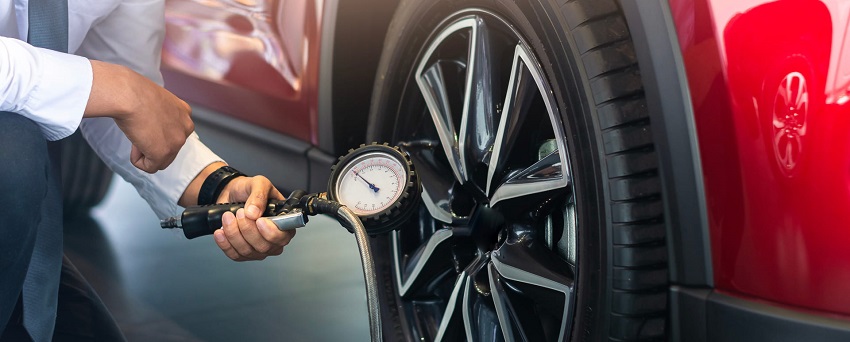
Get into the habit of checking your tire pressure at least once a month or before long trips. You can use a tire pressure gauge to measure the pressure accurately. Refer to your vehicle’s manual or the placard located on the driver’s side door jamb for the recommended pressure levels.
Inflating Tires to Recommended Levels
When inflating your tires, ensure you use a reliable tire pressure gauge and an air compressor. Fill each tire to the recommended pressure as specified by the vehicle manufacturer. Remember to check the pressure again after inflating to ensure accuracy.
Seeking Professional Assistance
If you’re unsure how to check or inflate your tires, don’t hesitate to seek professional assistance. Visit a trusted tire shop or service center, where trained technicians can help you with tire maintenance and ensure your tires are in optimal condition.
Using Tire Pressure Monitoring Systems
Consider investing in a tire pressure monitoring system (TPMS) if your vehicle doesn’t already have one. TPMS provides real-time information about tire pressure and alerts you if pressure drops below the recommended level. This can be a valuable safety feature, giving you peace of mind during your drives.
Conclusion
Driving with low tire pressure is a risky proposition. It compromises vehicle safety, reduces fuel efficiency, and increases the likelihood of tire failure. Regularly checking and maintaining proper tire pressure is essential for your safety and the longevity of your tires. Remember, it’s better to promptly address low tire pressure rather than wait for a hazardous situation to arise.