



If you’re feeding your dog food, your job is easier now that the veterinarian’s Diet of the Day has been introduced. The vet of the day is a veterinarian who specializes in feeding dogs. Each veterinarian’s diet of the day is unique and dog-specific, catering to their dietary needs, health conditions, breed, age, activity level, weight, and size. It’s not easy feeding your pet food right. But if you’re having trouble feeding your pet food right, rest assured you’re not alone.
This blog will guide you through feeding your dog right from what type of food to feed them to picking the right time to feed them food and much more. Bear in mind that every dog is different and needs specific feeding guidelines tailored to its needs and lifestyle. So read on as we guide you through feeding your dog right!
What is the best way to feed a dog?
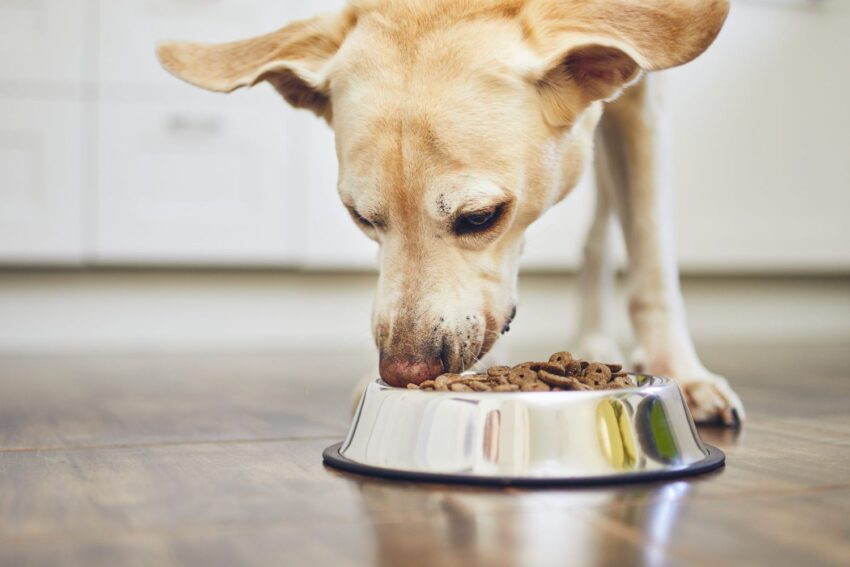
The best way to feed your dog is by feeding it a healthy, balanced diet of food. This food should contain the right amount of calories and nutrients for the dog. It should be high in protein and vitamins and minerals, but it should also contain other essential nutrients such as fat, carbohydrates, and dietary fibers. You should consult a nutritionist or veterinarian before feeding your dog any particular food as they can advise you on the nutritional value of the food. Additionally, dry food can be more affordable and easier to manage for pet owners than feeding their dogs a meal of kibble every day.
In addition, puppies should be fed according to their life stages. Puppies aged 0-6 months need fewer calories than adult dogs and puppies aged 6-12 months require the same amount of calories as adult dogs. You should also consider the activity level of your dog when feeding it food and adjust the amount of food accordingly. Finally, you should not overfeed your dog with dry food as this can lead to weight gain and obesity. The amount of food given to puppies should depend on their age, size, and activity levels
How much should a dog eat per day?
When it comes to feeding a dog, there’s no one-size-fits-all approach. As with adult dogs, puppies should eat 2-3% of their body weight per day, with an additional amount as needed. This amount of food is nutritionally balanced and provides essential vitamins and minerals. It’s also small enough to avoid causing obesity or other health issues.
As your dog’s age progresses, the amount of food they need increases gradually. For adult dogs, the recommended amount is 2-3% of body weight per day. That amounts to around 25-50 calories for each dog per day.
The amount of food your dog eats depends on breed, age, size, and health condition. You don’t want your dog to overeat or under George and keep feeding small amounts of food until your dog appears satisfied. Senior dogs should eat 1.5-2% of their ideal body weight per day as a guideline and adjust this amount as needed for age and activity level.
Types of food that are appropriate for different stages of a dog’s life
When it comes to feeding your dog, there are a variety of food types and nutritional needs for puppies, adult dogs, and senior dogs to consider.
For puppies, Hi-Standard Premium Performance 32/18 Puppy food is a great option to ensure they get the nutrition they need. This food contains high levels of protein and fat along with vitamins and minerals, which are essential for growing puppies. It also contains treats, which can help puppies develop healthy chewing habits and a love for eating.
A dog’s dietary needs vary as it ages. For adult dogs, food that contains more protein and fat, as well as more vitamins and minerals is ideal. Raw dog food should contain appropriate levels of protein, fat, and carbohydrates in the right balance for dogs of different ages. High-quality ingredients should form the basis of the food and be fortified with essential vitamins and minerals to ensure dogs get everything they need to stay healthy and happy. Finally, senior dogs need food that contains appropriate amounts of protein, fat, and carbohydrates in the right balance for age-appropriate amounts of nutrients. The food should be made with high-quality ingredients that are fortified with essential vitamins and minerals to ensure they get all they need to stay healthy and happy in years to come.
When should a dog eat its food?
When feeding adult dogs, it’s important to feed them twice a day with calorie intake split between two meals. This helps prevent obesity and provides the dog with the nutrition it needs. For puppies, feeding them small portions on a more frequent basis is vital to ensure they get the right amount of nutrition and don’t overeat. From 0-3 weeks of age, puppies should be kept with their mother and nurse as much as possible, this helps to ensure they get the nutrients they need. From 3-4 weeks of age, puppies can be fed canned puppy food gradually reducing the amount of milk replacer used. It’s important to adjust portion size based on breed, age, and health condition to make sure your dog gets the right amount of food.
How to feed a dog if it doesn’t want to eat?
If your dog is not eating, there could be a number of reasons. It may be an issue with its health, or it could be that it’s simply not in the mood for food. In this case, consider the reason why your dog isn’t feeding. It could be due to dietary issues, such as a food allergy or decreased appetite from chronic disease, or it may be due to behavioral issues, such as being overly nervous or fearful when feeding time comes around.
You can also try to modify your dog’s diet to see if different types of food will spark an interest in food. Try feeding your dog table scraps, as this type of food can help individuals with dietary restrictions feel more comfortable feeding themselves. Alternatively, you can also create a feeding schedule to avoid overfeeding and ensure your dog doesn’t become too hungry or overeat. If your dog still isn’t motivated to eat food, consult your veterinarian for advice on ways to get your dog eating and feeling better.
Conclusion
It’s important to feed your dog the right amount of food and food type at the right time of day. When feeding your dog, always ensure that it’s eating a healthy amount of food. For adult dogs, the ideal amount of food is around 1 to 2 cups per day of high-quality dog food. Your dog’s needs may vary depending on its size, activity level, age, health condition, and environment. If you’re feeding your dog kibble or commercial pet food, make sure you’re feeding the right size portion. Comment below if we’ve made any errors in our explanation!