



Hand-held camera operation is difficult for many people. The camera’s weight and size make it difficult for some to grip, making it hard to take pictures with one hand.
One-handed camera designs exist to solve this problem. If you want to take better photos with a smartphone or camera with just a little effort, these cameras are an ideal choice. In this blog, we will tell you everything you need to know about Canon’s innovative one-handed camera design. We will cover the background of the design, its advantages, and disadvantages, and how to use it along with other accessories compatible with it.
Background of Canon’s one-handed camera design
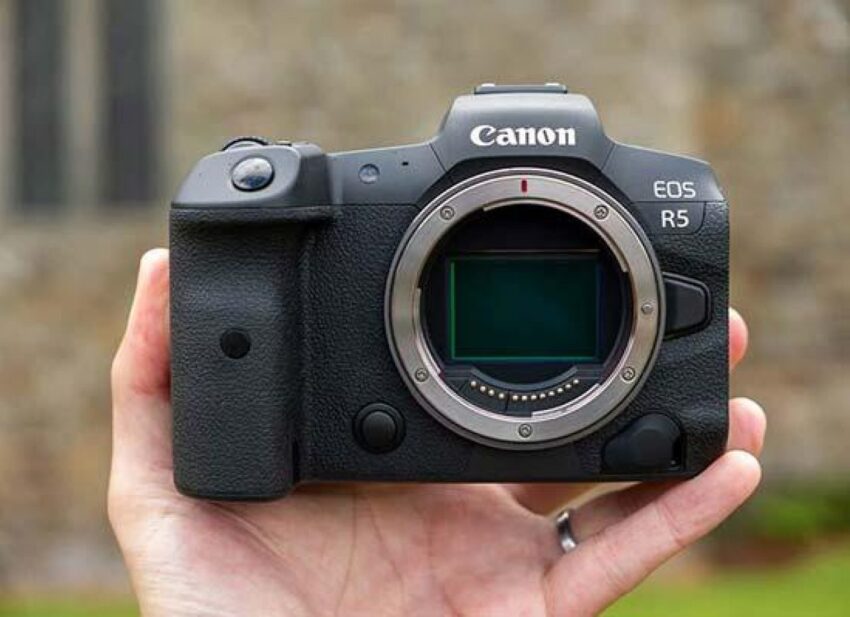
Canon does not have a camera specifically designed for left-handed users. That said, the company does make a variety of small cameras that can be used with the non-dominant hand. These cameras include point-and-shoot cameras and mirrorless cameras, such as the EOS M50 and EOS M6. Both of these models are designed to give users more options than a point-and-shoot camera. They’re both equipped with a range of features, such as autofocus and an electronic viewfinder, so left-handed users can easily take great photos. That being said, left-handed people can still find great options among Canon’s point-and-shoots. A camera is an important tool for anyone to use, so left-handed users should be able to find one that works for them no matter their hand preference.
How Canon’s one-handed camera design works
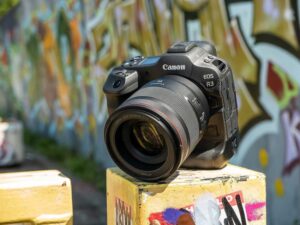
In order to use a camera with only one hand, the design must be compact and easy to use. Canon’s one-handed camera design, popularized by its mirrorless EOS M50 and M6 cameras, offers a compact body that can easily be held with either hand.
The left shutter button is where you would normally find the camera’s shutter button. The right dial is used for adjusting settings such as exposure and ISO, and the zoom ring is for moving the lens between focal lengths. The rear dial can be used to adjust exposure compensation or open the camera’s shutter.
The GX8 also features a large shutter dial on top of the camera for easy adjustments to shutter speed. All of these essential functions are easily accessible even when shooting with only one hand.
The GX8’s design makes it perfect for right-handed photographers because the shutter buttons, switches, and dials are placed in a way that makes it easier to use with this hand grip style. If you’re left-handed, you might find the camera more difficult to operate because of its symmetric design. However, if you’re right-handed, it should be easier to hold and operate than most other cameras.
Advantages of Canon’s one-handed camera design
– One-handed camera design is an innovative idea that has been popular with consumers in recent years. Many people are attracted to the convenience and ease of use that comes with one-handed cameras.
– There are two types of one-handed cameras, those with a shutter button on the left side and those with a shutter button on the right side, which makes it easy to use them with your dominant hand. In addition, Canon offers smaller cameras that can be used with your non-dominant hand as well as larger mirrorless cameras with interchangeable lenses. The camera’s design allows left-eye-dominant people to comfortably hold the camera at a 45° angle and shoot left-eyed.
– With a one-handed camera design, you can capture photographs more easily and quickly than with traditional cameras. Plus, you can still use your other hand for other tasks. When using a one-handed camera design, you can effortlessly capture high-quality shots without having to worry about your hands getting tired or sore.
Disadvantages of Canon’s one-handed camera design
– The camera design is targeted at right-handed users, so most camera manufacturers make their cameras with left-handed assumptions. This design leaves left-handed users with an awkward and unfamiliar way to use the camera.
– The placement of the shutter buttons, switches, and dials on a left-handed camera can be difficult for left-handed users. These features are typically located on the right side of the camera, which can make using a left-handed camera feel unnatural.
– Without left-hand cameras, it can be more challenging to take photographs with the left hand. This is because most camera designs assume that the user is right-handed, which can make it difficult to grip the camera correctly for taking photographs with the left hand.
These factors can make it difficult for left-handed users to take advantage of this innovative design.
How to use a Canon one-handed camera
-Most cameras are designed for use with the right hand, but left-handed people can learn to operate cameras with their left hand, such as using an unconventional grip and placing the index finger on the shutter button.
-Left-handed people can also use power grips or shutter buttons that have been modified for left-handed use. Discomfort is temporary, and dexterity comes with practice.
-Another option is using a zoom lens with a non-standard camera grip, which can make it easier to aim and shoot with your left hand. Power grips with shutter buttons can also be attached to the camera to be operated with the left hand.
-If left-handed people are motivated, they can learn to operate any camera easily with either hand. However, it’s important for left-handed people to be comfortable and confident in their abilities in order to improve their creative potential.
What other accessories are compatible with a Canon one-handed camera?
The EOS M50 and M6 are mirrorless cameras that can be used with one hand. Altura’s Rapid Fire Camera Hand Strap and Mounting Plate is compatible with any DSLR or Mirrorless camera with a standard ¼” tripod screw mount. These accessories provide increased grip, stability, and control for shooting with one hand.
The Leica M10 Thumb Support and M11 Handgrip are both available to improve ergonomics and hold the camera with one hand. They provide added support for shooting in cramped or awkward positions such as overhead or from the hip. The PowerShot GX-7 Mark II is a popular point-and-shoot camera that can be used with one hand. It features a large, bright viewfinder for easy framing, a powerful IS system, an intuitive electronic viewfinder, and more.
Conclusion
In the era of technology, everything has evolved. We have smartphones that can do just about anything and more. However, there are still some tasks that require physical effort. An example is taking pictures. While smartphones can help you take pictures in most situations, they can’t get it right every time. Even though smartphones are convenient, they still can’t replace the need for a good camera when it comes to taking pictures. While using a smartphone for this purpose won’t give you the best results, using a dedicated camera will always be better. Comment below and tell us if you’ve used one of these devices in the past or if you’re planning to try it out!
If you want to read more click here