





As the aviation industry continues to expand, security screening has become increasingly crucial. Over the past few decades, several technological advancements have been made to ensure the safety of passengers. Many security screening procedures currently in use today were introduced with the advent of x-ray machines and metal detectors.
One of these screening measures is passenger screening, which determines if passengers are allowed to enter certain areas of an airport or flight, and sometimes whether they can travel at all. With a myriad of new technologies available, security officials’ job has become easier, but their job has also become more rigorous. Security personnel needs to carry out multiple steps before boarding a flight or entering a secured area of an airport. This process includes identification verification and baggage screening before boarding a flight or entering a secured area of an airport. While it is impossible for security personnel to identify every threat in today’s aviation industry, it is essential for them to play their part in ensuring safety and efficiency.
Exploring Passenger Screening Technologies
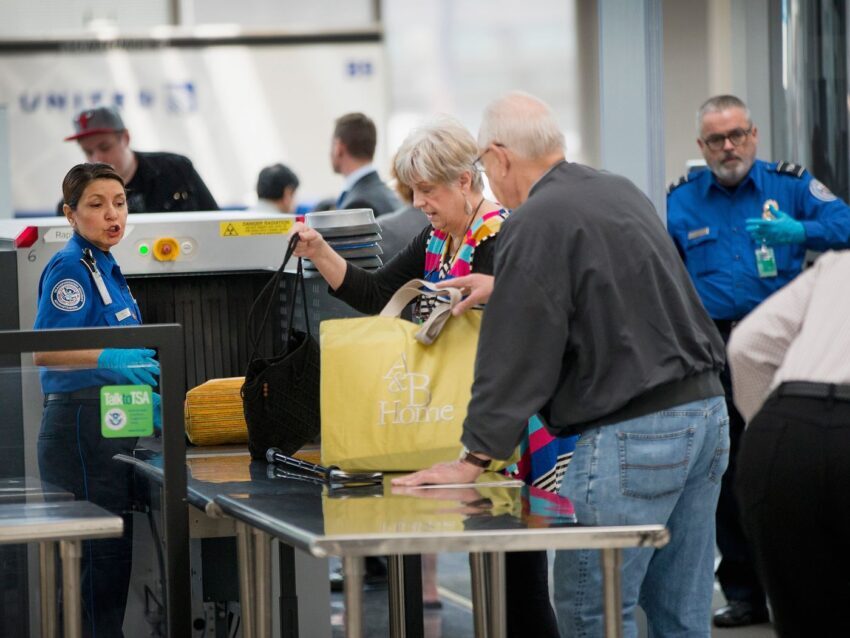
Passenger screening technologies are used by airports, railway stations, and seaports to help identify potential threats quickly and efficiently. These technologies can include face recognition, biometric scanning, and behavioral analysis. They allow security staff to quickly check passengers’ travel documents and identify potential threats before boarding a flight or entering a secure area. These technologies also help prevent people from boarding a plane if they do not meet airline-specific security requirements. Passenger screening technologies can help keep your business and its customers safe. They have the ability to quickly screen passengers for dangerous items such as explosives and guns and detect hidden explosives or weapons on passengers with high accuracy. Thus, passenger screening technologies are an integral part of security measures for airports, railway stations, and seaports.
Advantages of Modern Security Screening
Passenger screening technologies have evolved over the years to provide security without compromising passenger safety and comfort. Advanced imaging technology (AIT) is a new and efficient screening technology that safely screens passengers without physical contact for metallic and non-metallic threats. With AIT, passengers are screened using advanced imaging tools such as hand-held scanners or walk-through devices that detect concealed items such as weapons and explosives. This technology does not use X-ray technology, which is generally considered safe. In addition to AIT, non-imaging electromagnetic technologies are also used in public places to detect metal objects and deter theft. These tools emit electromagnetic waves that can be detected by security officers and trigger an alarm if a target is detected.
The secure flight system is another passenger screening tool that has been implemented by air carriers in the United States. With this system, 100% pre-screening of domestic airline flights within, inbound for, or outbound from the country takes place before boarding starts. This allows air carriers to identify passengers who may pose a security risk before they board the flight, which helps them prevent any potentially harmful incident during boarding or on the flight itself. Moreover, passengers are reassured that their privacy and personal information are protected with these passenger screening technologies.
Challenges in Implementing Security Screening
Airports around the country are currently screening passengers for security reasons, as enhanced entry health screening for international passengers has been halted and all airports can accept international travelers again. International passengers who have been pre-screened with the Transportation Security Agency’s (TSA) Pre-Req Program or those who opt-in to screening may be subject to additional security measures. These include screening luggage and carry-on items, undergoing a pat-down, or walking through a scanner.
Those traveling with electronic devices, like laptops and phones, should be prepared to remove these items from protective cases or outer packaging for inspection. This is to ensure that explosives or hazardous materials are not concealed within the device. Additionally, transgenders may experience intrusive security screening procedures which can lead to harassment and discrimination. Those traveling abroad should be aware of any security protocols in place at the airport and follow the instructions given by TSA agents.
How long will it take for airlines to adopt the latest passenger screening technologies?
The current passenger screening process of TSA is evolving rapidly. In a bid to enhance security, the Transportation Security Administration (TSA) has been implementing newer security measures, including stronger screening procedures for carry-on items that require travelers to place all personal electronics larger than a cell phone in bins for X-ray screening in standard lanes.
In January 2018, TSA also announced that it would be testing CT scanners at select U.S. airport checkpoints as an alternative screening tool for carry-on baggage. These scanners are state-of-the-art and are capable of providing passengers with a 3-D image of their belongings during screening. This technology provides TSA with an enhanced view of passengers’ belongings and can detect potential threats more quickly and efficiently than traditional x-ray screening systems.
Additionally, TSA has implemented enhanced entry health screening for international passengers. This involves additional security measures such as checking passengers’ hands for signs of explosives or other contraband and having them pass through security checkpoints with their shoes on instead of off. Airlines are now mandated to follow social distancing protocols in order to minimize COVID-19 exposure while boarding and de-boarding aircraft. All these measures will help improve aviation security, which is vital for ensuring the safety of passengers traveling across the country
What are the different types of passenger screening technologies?
Passenger screening technologies are a vital security measure that airports and airlines use to ensure the safety and security of passengers. These technologies include metal detectors and x-ray imaging systems, hand-wand electromagnetic screening devices, millimeter wave advanced imaging technology, walk-through metal detectors, and advanced imaging technology.
The most commonly used passenger screening technologies are metal detectors and x-ray imaging systems. These are used for routine operations in U.S. airports. Hand-wand electromagnetic screening devices are used for screening passengers who cannot pass through portals using their hands or luggage. Millimeter wave advanced imaging technology is used to detect both metallic and non-metallic objects and weapons and explosives that may be concealed under clothing. TSA also employs walk-through metal detectors for passenger screening as an additional security measure.
Advanced imaging technology uses non-ionizing radio-frequency energy in the millimeter spectrum with no known adverse health effects. This technology can be effective in screening passengers quickly without any physical contact or detection of dangerous items such as guns or explosives.
Passenger screening technologies provide a vital security measure that airports and airlines use to ensure the safety and security of passengers.
Conclusion
As of now, passengers are screened by security personnel using security screening equipment such as hand-held metal detector wands and check-in luggage x-ray machines. In the near future, we can also see security officers using biometric technology such as facial recognition and fingerprint scanning to check passengers’ identification documents and carry-on baggage. Additionally, kiosks that allow security staff to conduct physical screening on passengers will be integrated into passenger check-in areas. This way, passengers won’t need to queue up for security screening as they do now. We hope to hear from you in the comment section below. Tell us how you process your checked baggage or travel with your family and friends.
If you like to read more click here